


Dr. David L. Strayer
Freshwater Ecologist
|
PhD, 1984, Cornell University
Expertise
Hudson River, invasive species, streams
- Profile
- Past Projects
- Publications
I am no longer doing new research, but continue to be modestly involved in freshwater ecology. Since retiring, I’ve helped to write several synthesis and review papers (e.g., Geist et al., 2022; Aldridge et al., 2023; Seebens et al., 2025; Dudgeon and Strayer, 2025; Strayer, 2025). Currently, I’m working as part of a team on a paper that critically reviews the composition, biogeography, and conservation of freshwater mussels (Unionida) in the Great Lakes-St. Lawrence basin. I’m also one of more than 100 authors of The Nature Record (https://naturerecord.org/), “the first holistic assessment of U.S. lands, waters, and wildlife, and the benefits they provide.”
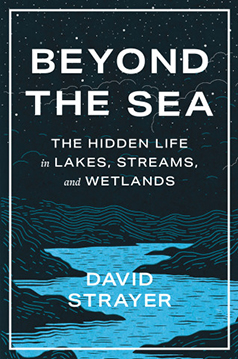
I continue to write and speak about ecology for the public (several dozen of my essays are collected here). I recently published a book for general audiences on the wonders of inland-water ecosystems and the remarkable life that they support: ("Beyond the Sea: The Hidden Life in Lakes, Streams, and Wetlands"). (“a wonderfully engaging exploration of the freshwater world, packed with fascinating stories, surprising facts and memorable anecdotes,” FBA News; “a captivating and insightful read,” ASLO Bulletin; “a clear, thought-provoking introduction to the hidden life of inland waters,” Conservation Biology; “a rallying cry to urgently see the beauty and significance of the freshwater environments,” The Geoscientist). I am about to finish a series of essays on extinctions in the world’s fresh waters, and the lessons that they can teach us about how to better manage these important ecosystems.
Finally, I’ve been working with academics and agency biologists on the management of Michigan’s freshwater mussels (an imperiled group of animals). I’ve helped to develop and run a test for mussel identification (now required of contractors who work on freshwater mussels). Joe Rathbun (a retired agency biologist) and I have been teaching a short class on mussel biology and identification.
-
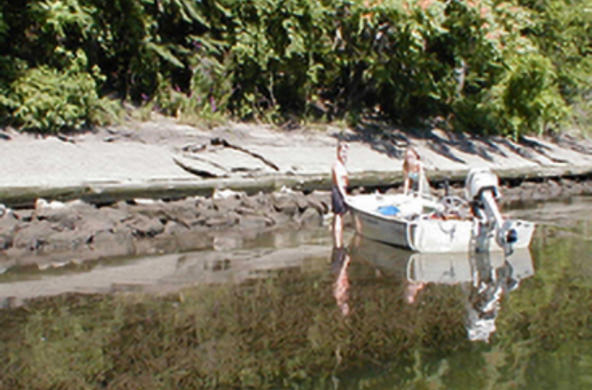
Ecological Functions of Submersed Plant Beds
It has become apparent that these beds of submersed aquatic vegetation ("SAV") may play important roles in the river's ecosystem.
-
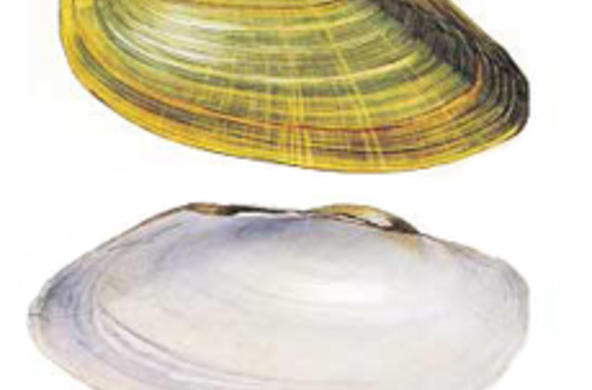
Pearly Mussel Ecology
North America's endemic flock of ~300 species has been identified by The Nature Conservancy as the most imperiled group of plants or animals on the continent; dozens of species are already extinct and >100 species are in danger of extinction.
Articles by David Strayer
Books
Beyond the Sea: The Hidden Life in Lakes, Streams, and Wetlands
Johns Hopkins University Press, 2024
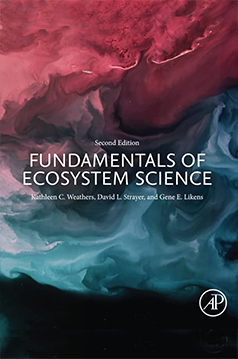
Fundamentals of Ecosystem Science
2nd ed. Elsevier, 2021
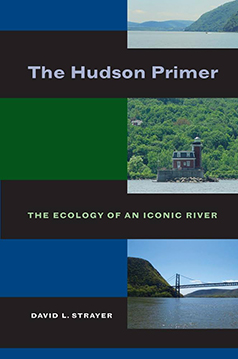
The Hudson Primer: The Ecology of an Iconic River
University of California Press, 2012
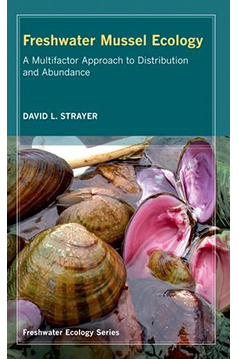
Freshwater Mussel Ecology: A Multifactor Approach to Distribution and Abundance
University of California Press, 2008