
Dr. Shannon L. LaDeau
Profile (pdf)
Bluesky: @slladeau.bsky.social
845 677-7600 x204


- Profile
- Videos & Podcasts
- Past Projects
- Publications
LaDeau’s research extends across organismal to macro-system scales, with the overarching aim to better understand structure, function, and ecological resilience of socioecological systems. For example, a 10-year program of research in Baltimore, MD has advanced both conceptual models and stakeholder practices related to urban mosquitoes and vector-borne disease risk in temperate cities. LaDeau’s work is often at the interface of ecology and environmental justice and current work explores how associations among socioeconomics and vegetation influence variation in biodiversity function across taxa, including risk of vector-borne disease.
LaDeau’s research program has three organizing themes:
Complex socio-ecological systems
To better understand ecological structure and function as part of a broader socio-ecological system. Projects highlighting this theme: Baltimore Ecosystem Study, Mosquito-borne Disease in Urban Areas, Urban Greening/Biodiversity.
Resilience through diversity
To better predict how diversity (e.g., biodiversity, human experience and cultural diversity, diversity in traits, approach or actions) influences ecosystem function and resilience. Projects highlighting this theme: Community Ecology of Lyme Disease, Urban Greening/Biodiversity, Mosquito-borne Disease in Urban Areas.
Ecological science in action
To develop predictive understanding and science-based responses to real societal challenges. Projects highlighting this theme: Mosquito-borne Disease in Urban Areas, Investigating Climate Change Impacts on Ticks, Fundamentals of Ecological Forecasting [Videos], Using near-term forecasts and uncertainty partitioning to inform prediction of oligotrophic lake cyanobacterial density.
LaDeau is a member of the Science, Technology & Education Advisory Committee (STEAC) for National Ecological Observatory Network.


-
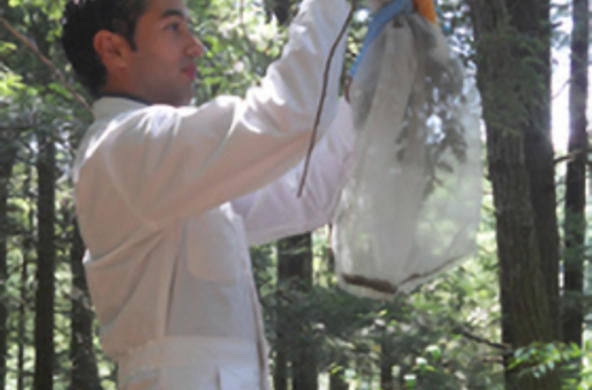
Effects of Invasive Hemlock Woolly Adelgid on Northeastern Forests
-
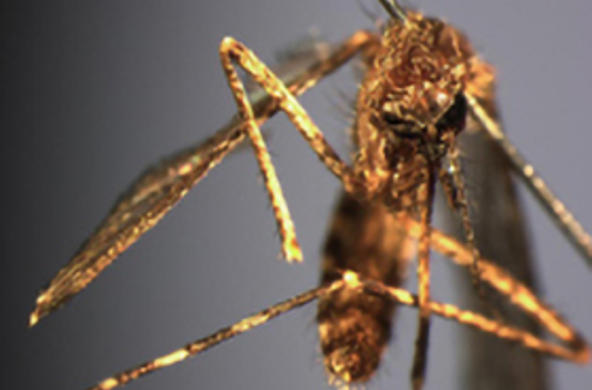
Spatio-Temporal Variation in West Nile Virus Intensity
-
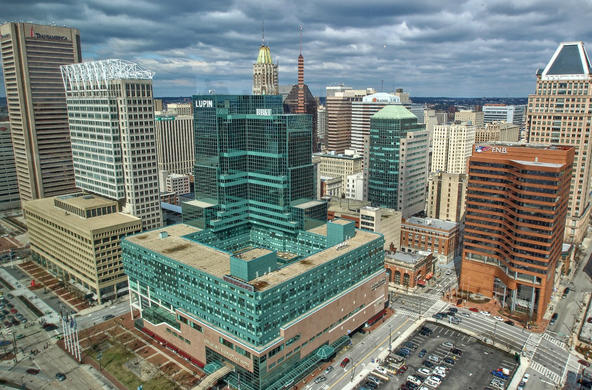
Baltimore Ecosystem Study
A ground-breaking urban ecology project, the Baltimore Ecosystem Study investigates the ecological, cultural, and economic forces that shape the environmental quality of urbanized areas.
-
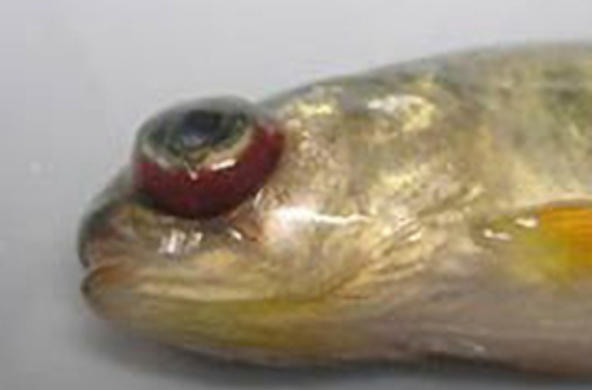
Infectious Hematopoeitic Necrosis Virus (IHNV)
Approximately 1300 salmon-rearing facilities in the Northwestern US (WA, ID and OR) breed and release more than 8 types of salmonids in order to supplement endangered wild populations of salmon.


