
Dr. Stuart E.G. Findlay


- Profile
- Videos & Podcasts
- Past Projects
- Publications
Stuart Findlay has worked on the Hudson River for over 30 years. His research on sensitive wetlands, shoreline restoration, and environmental monitoring is helping to guide the river’s recovery.
Human activities can have positive and negative consequences on the environment. It is important to reinforce the positive through effective management, while rapidly detecting and mitigating the negative. Findlay aims to identify impending problems and devise suitable solutions in streams, wetlands, and the Hudson River.
Aquatic vegetation provides essential nutrients and habitat for small animals, yet these plants are threatened by human-induced habitat alterations, including climate change. To improve the management, protection, and restoration of aquatic systems, it is essential to know how environmental conditions influence these communities and what humans can do to support them.
Findlay works closely with the Hudson River Environmental Conditions Observing System (HRECOS) and directed the installation of a monitoring station that continually records the river’s salinity, dissolved oxygen, pH, turbidity, and water elevation – a key management tool to facilitate a quick response to threats such as harmful contaminants or floods. He also studies the impacts of shoreline modification and guides sustainable management practices to protect native species and their habitats.
Findlay is committed to carrying science from discovery to dissemination and is actively engaged with a wide array of management, outreach, and educational programs. He has been an advisor to the New York State Department of Environmental Conservation for more than 25 years and works with several other private, state, and federal organizations.


-
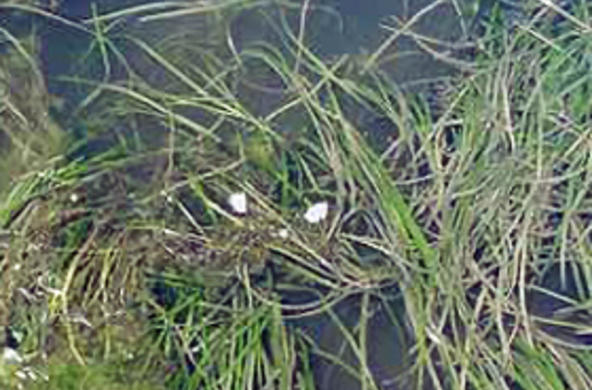
Hudson River Habitats: Submersed Aquatic Vegetation
-
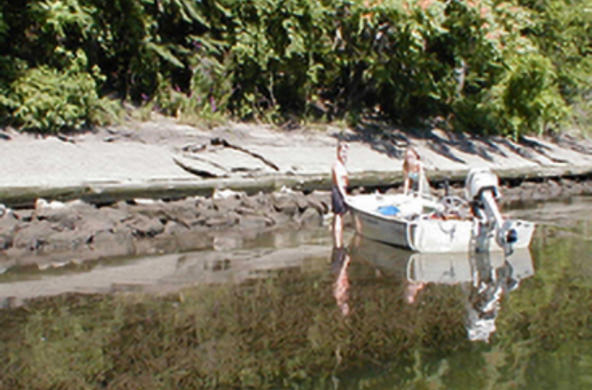
Ecological Functions of Submersed Plant Beds
It has become apparent that these beds of submersed aquatic vegetation ("SAV") may play important roles in the river's ecosystem.
-
Stream Bacterial Communities: When is Function Linked to Structure?
-
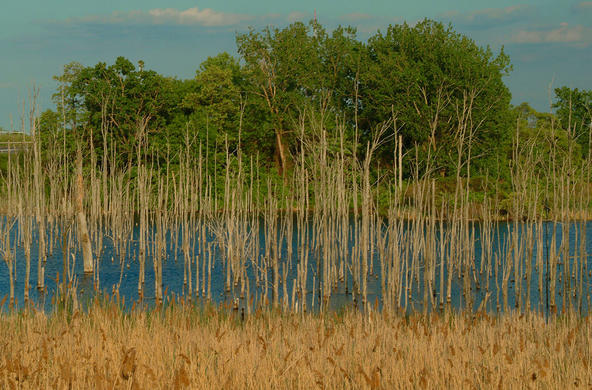
Hudson River Habitats: Wetlands
-
Increased Loss of DOC from Terrestrial Systems
-
Tidal Marsh Project


