Ep. 3 | Summer's Abundance
July 9, 2026
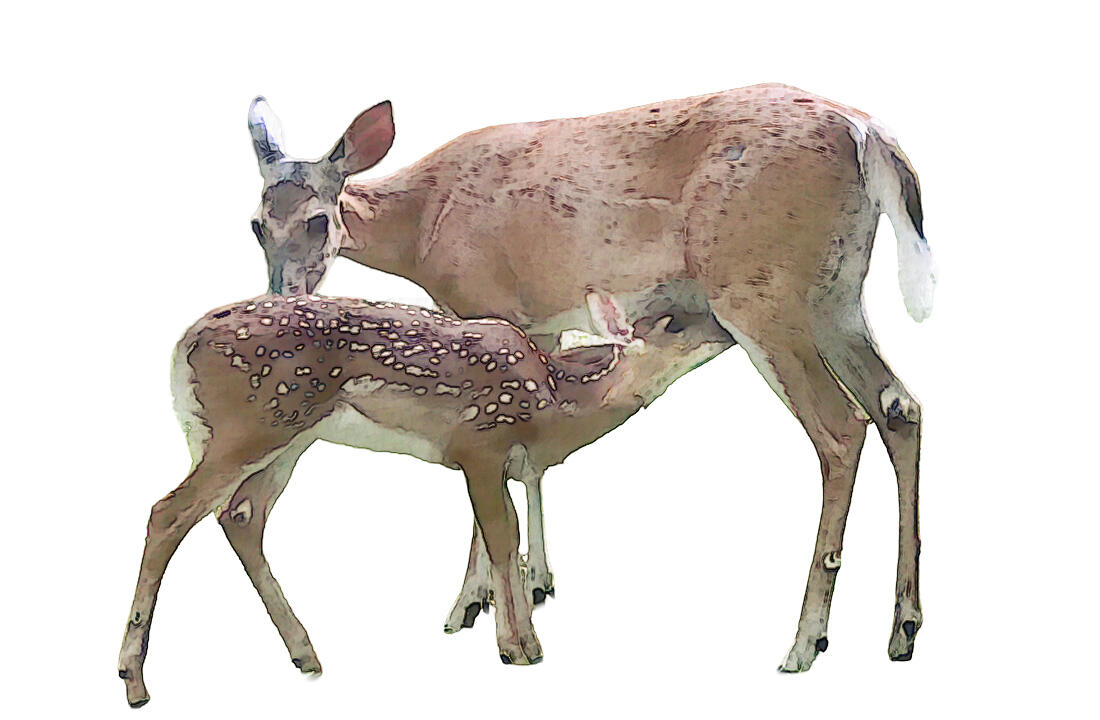
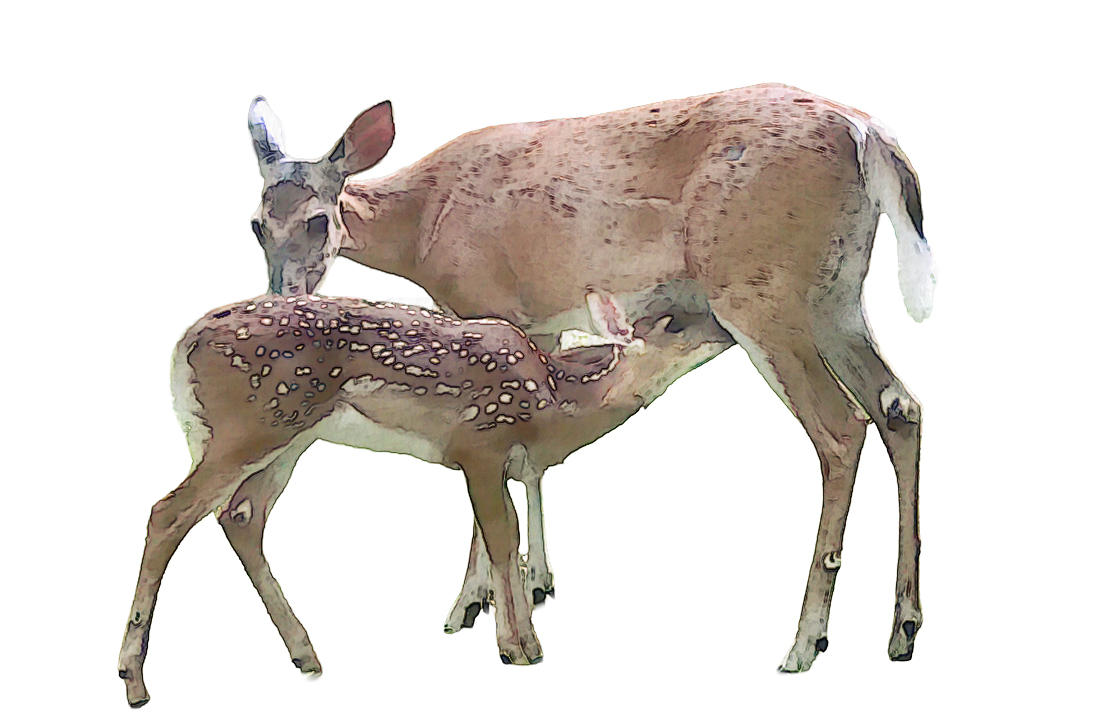
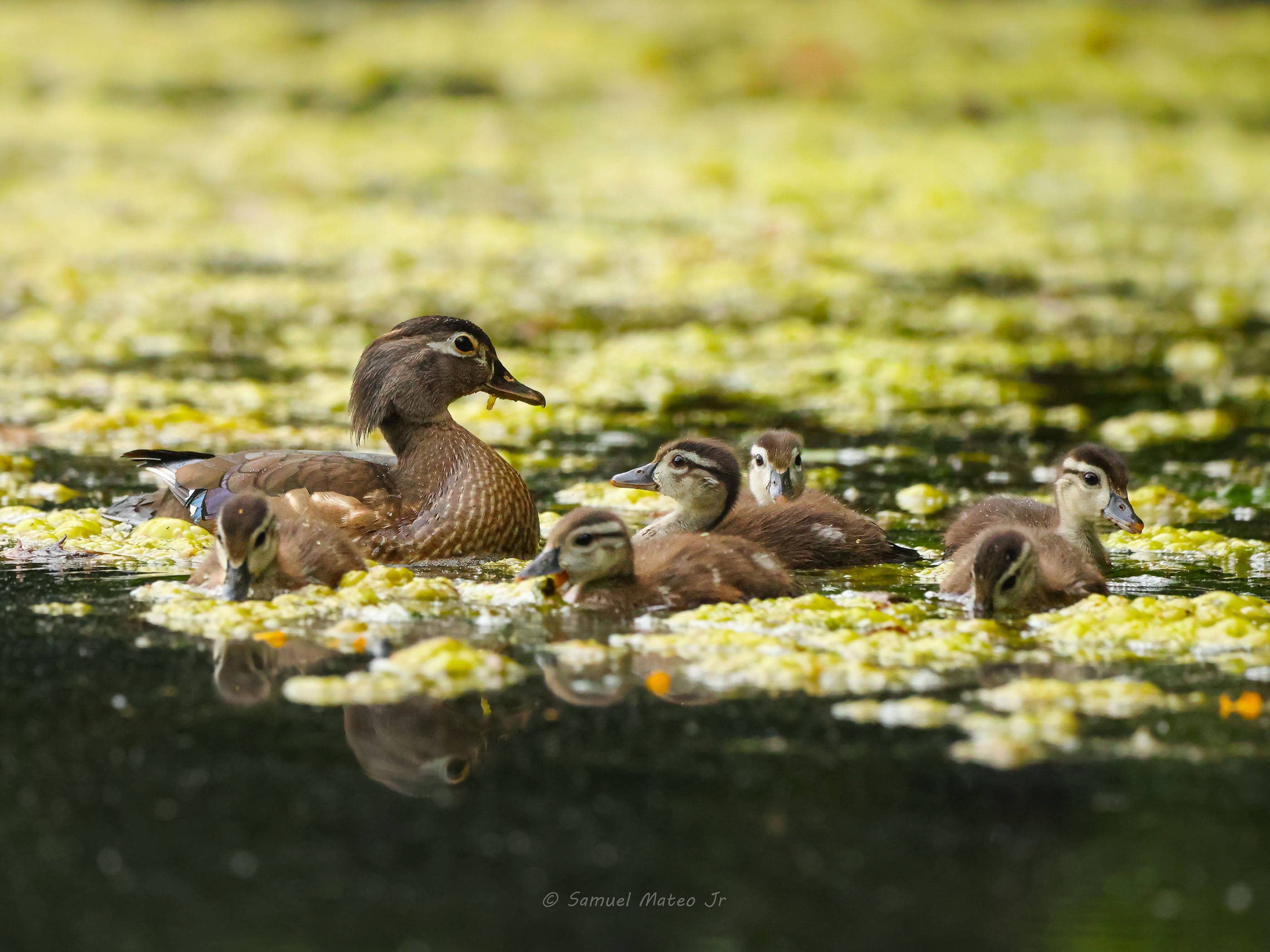
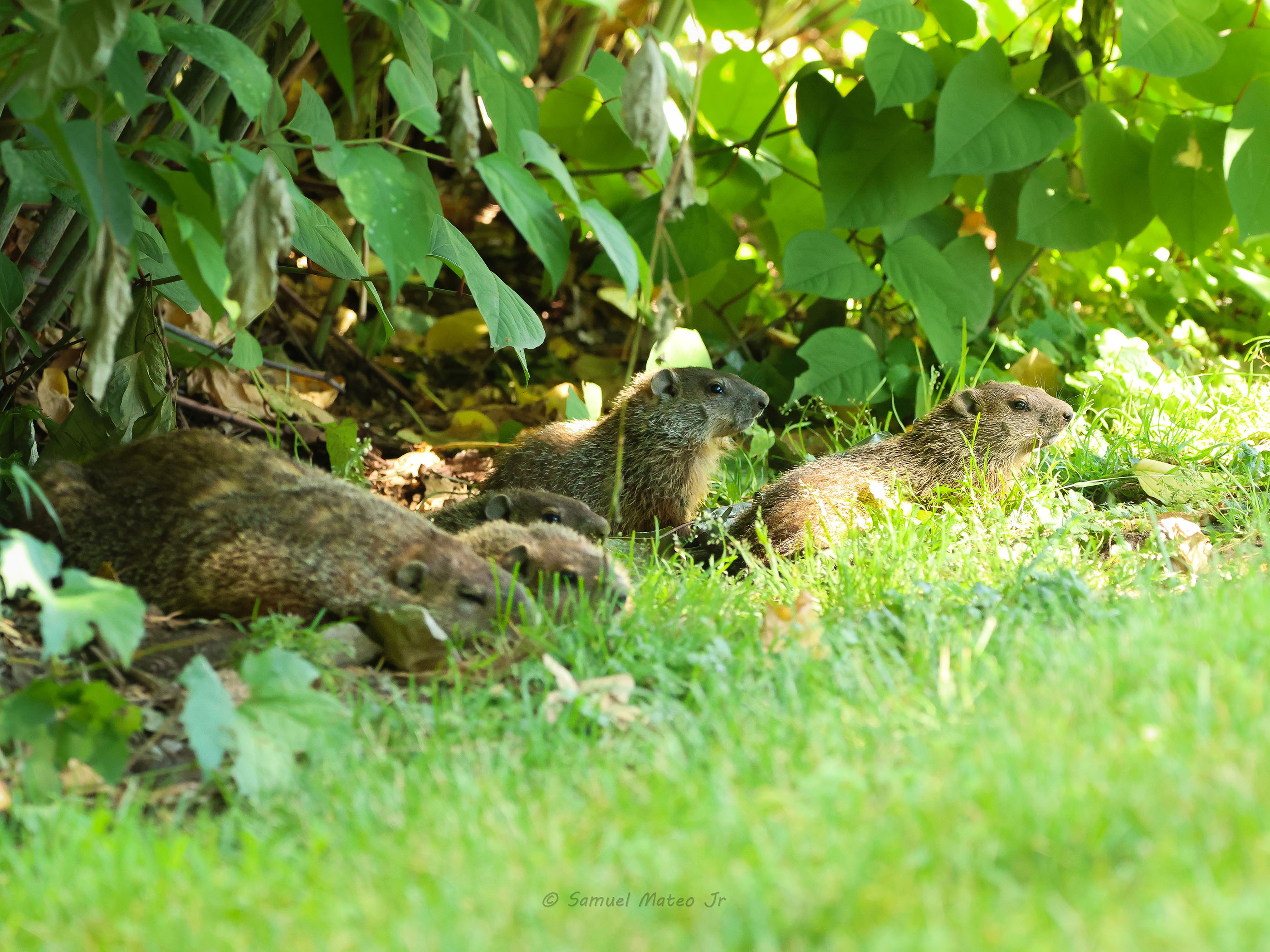
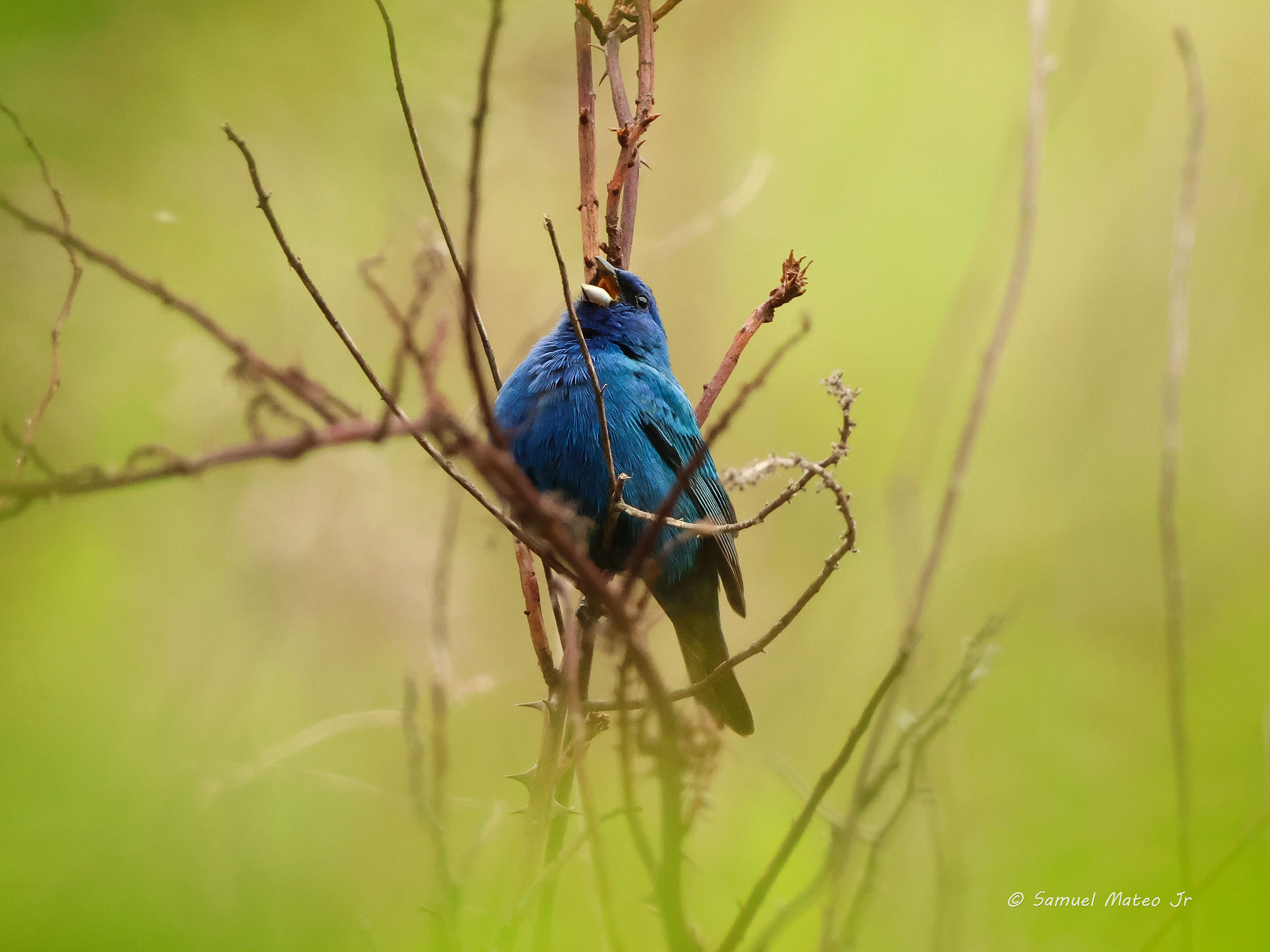
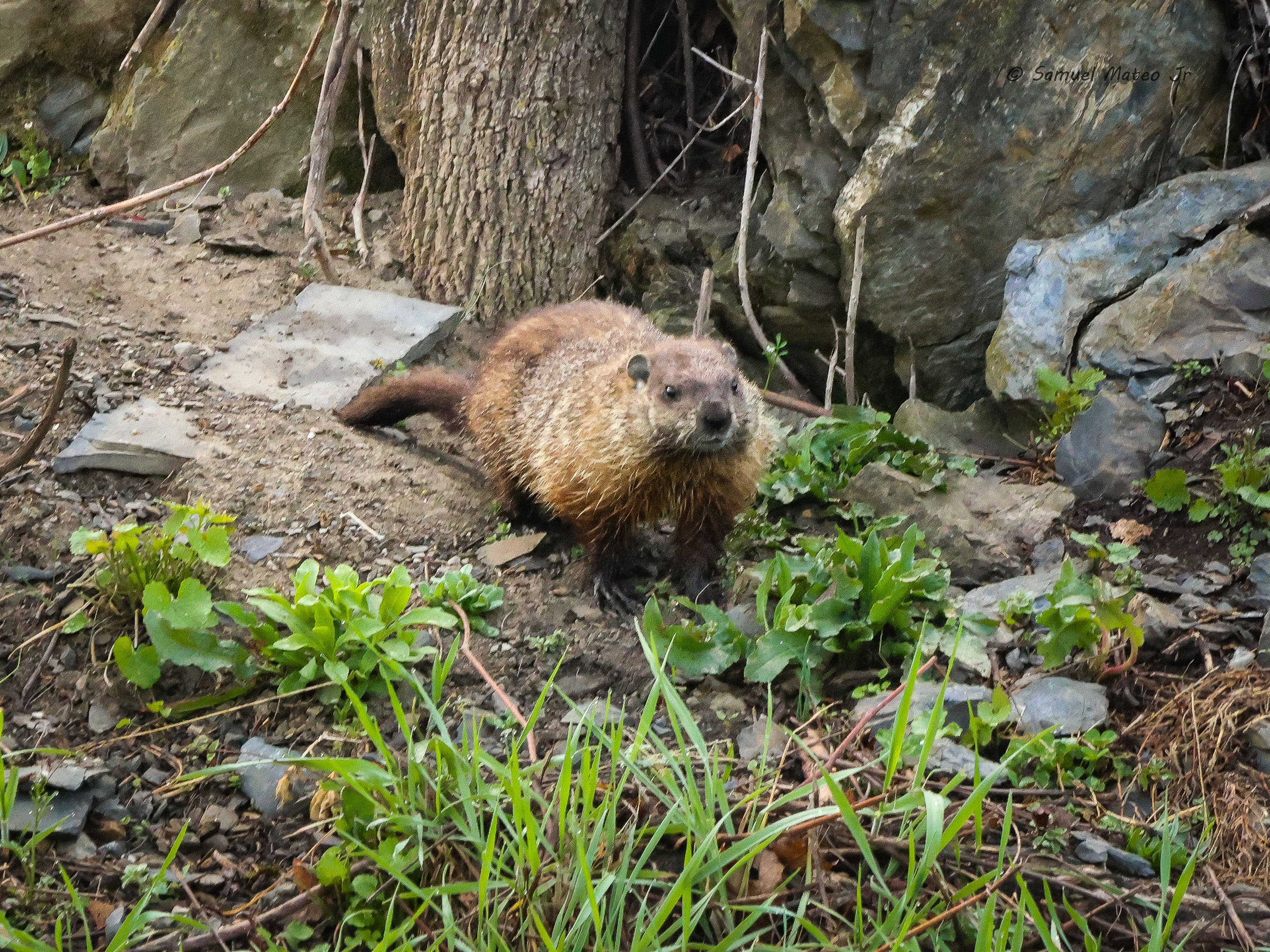
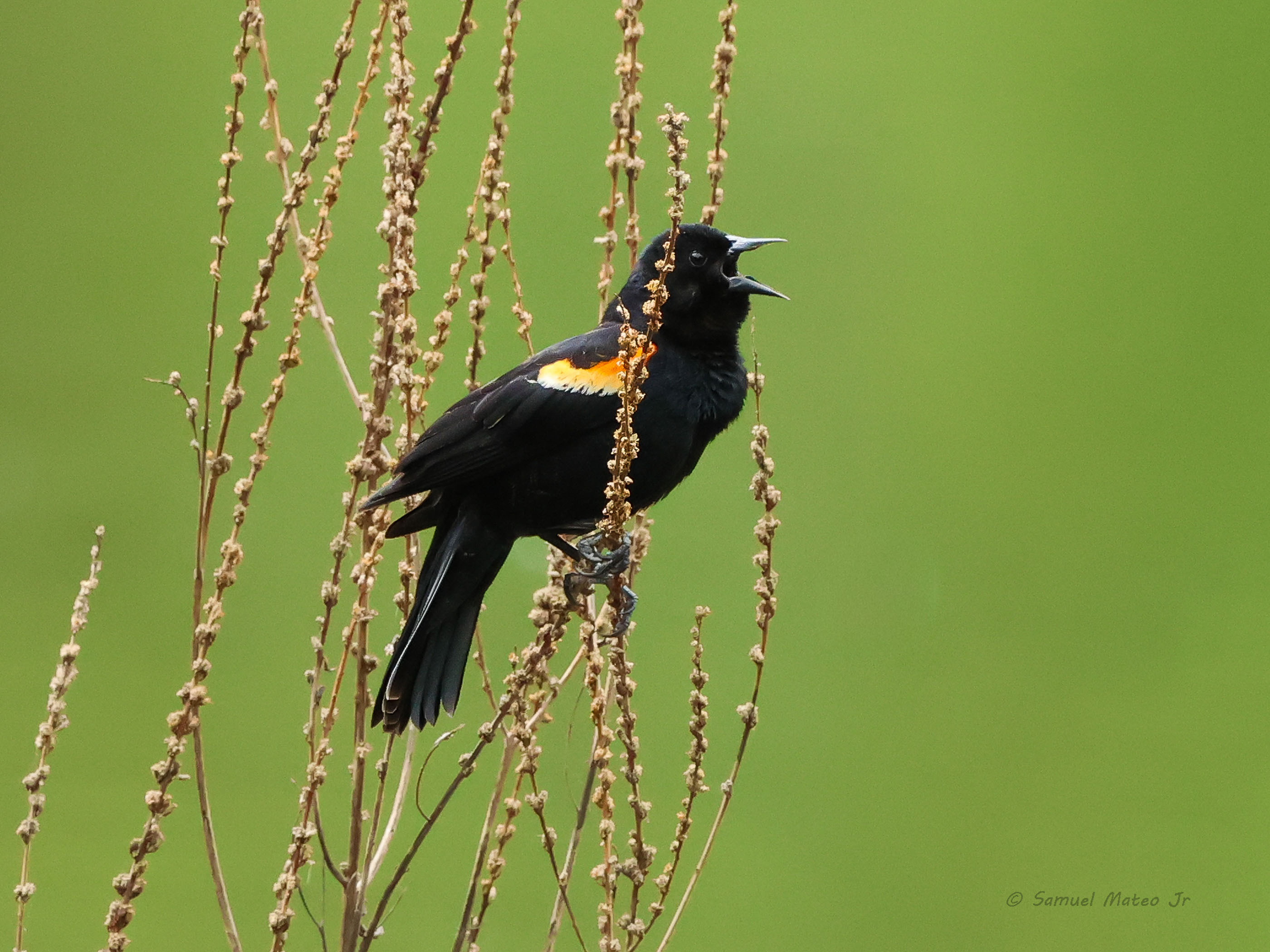
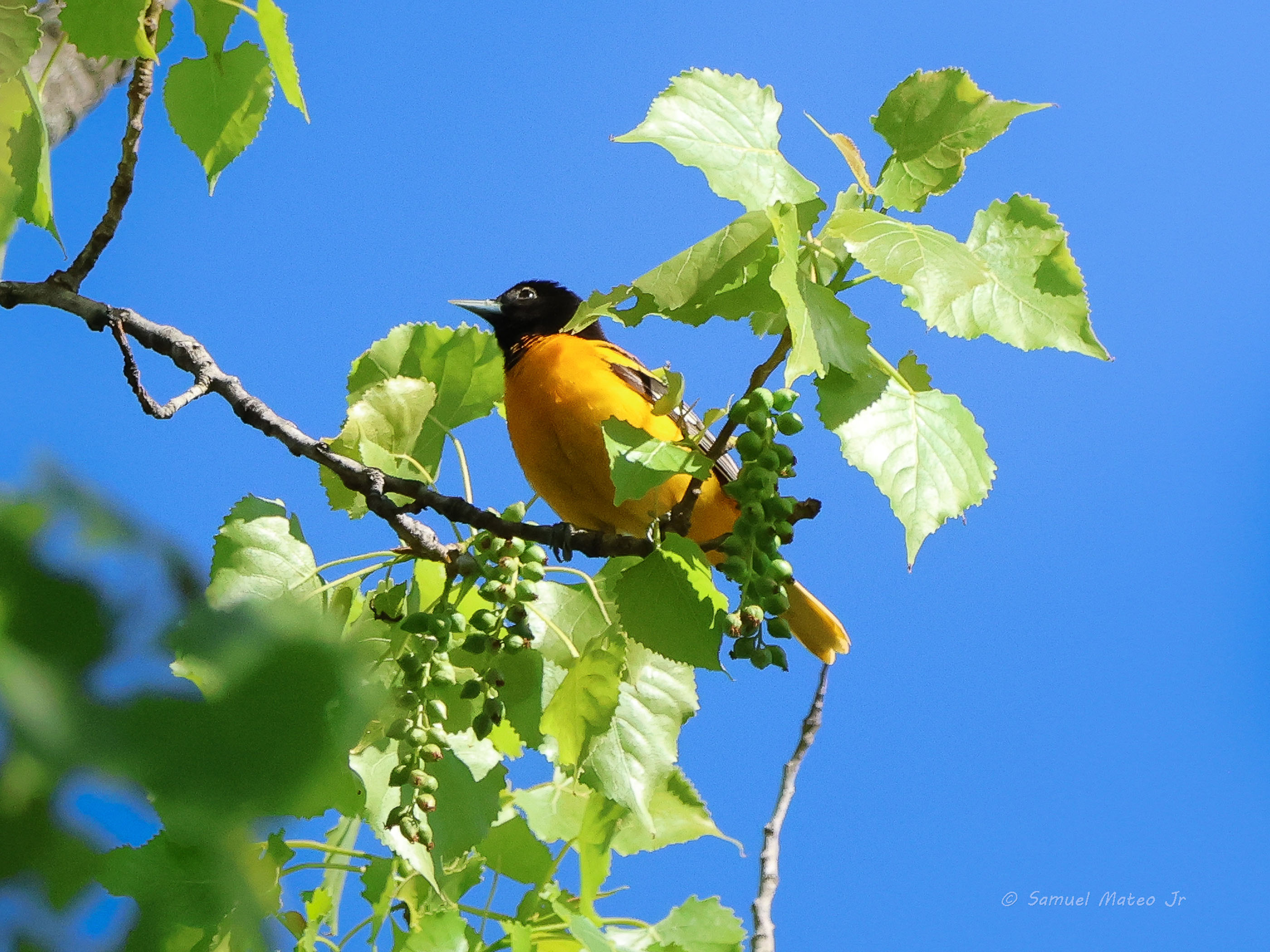
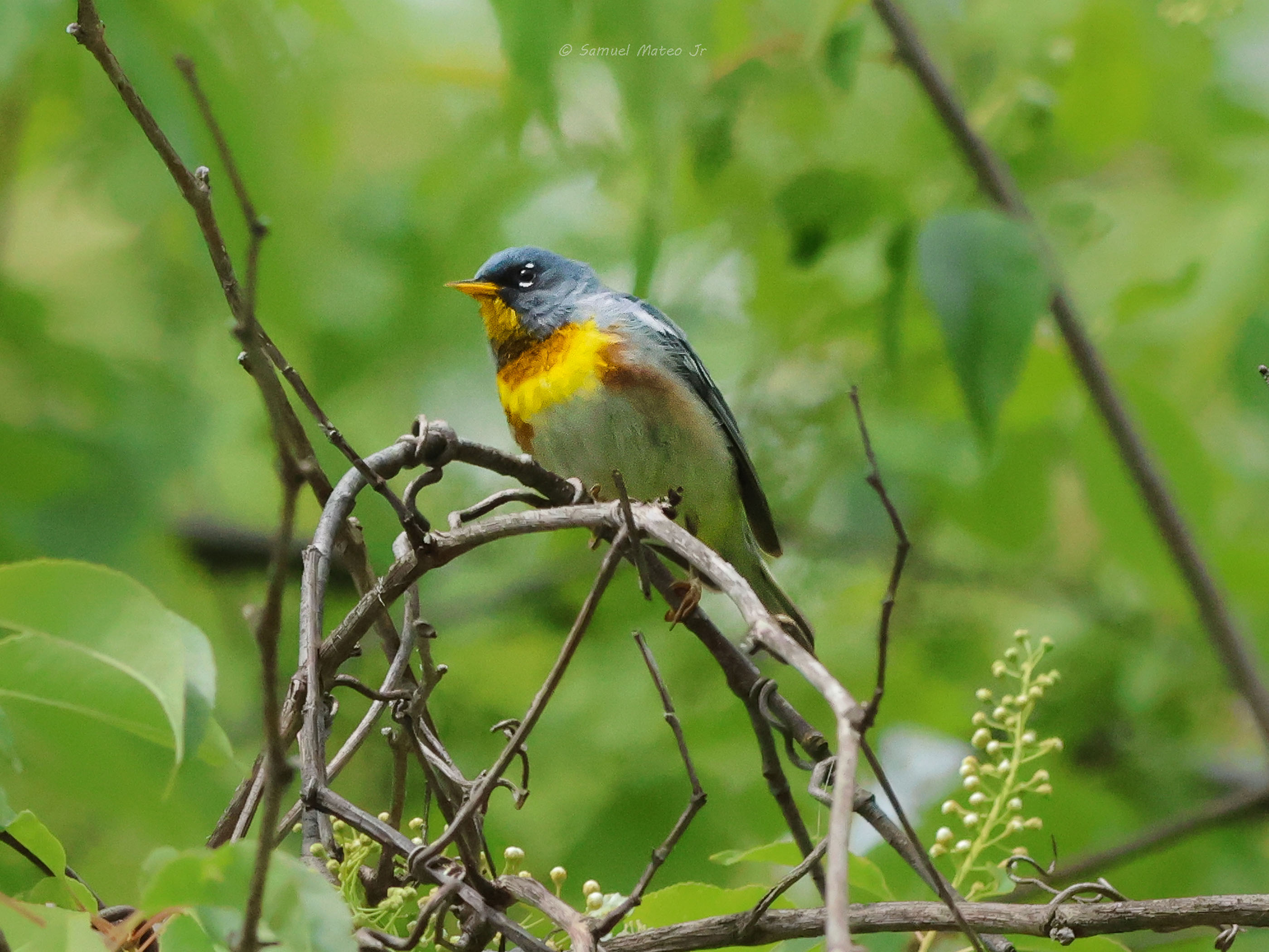
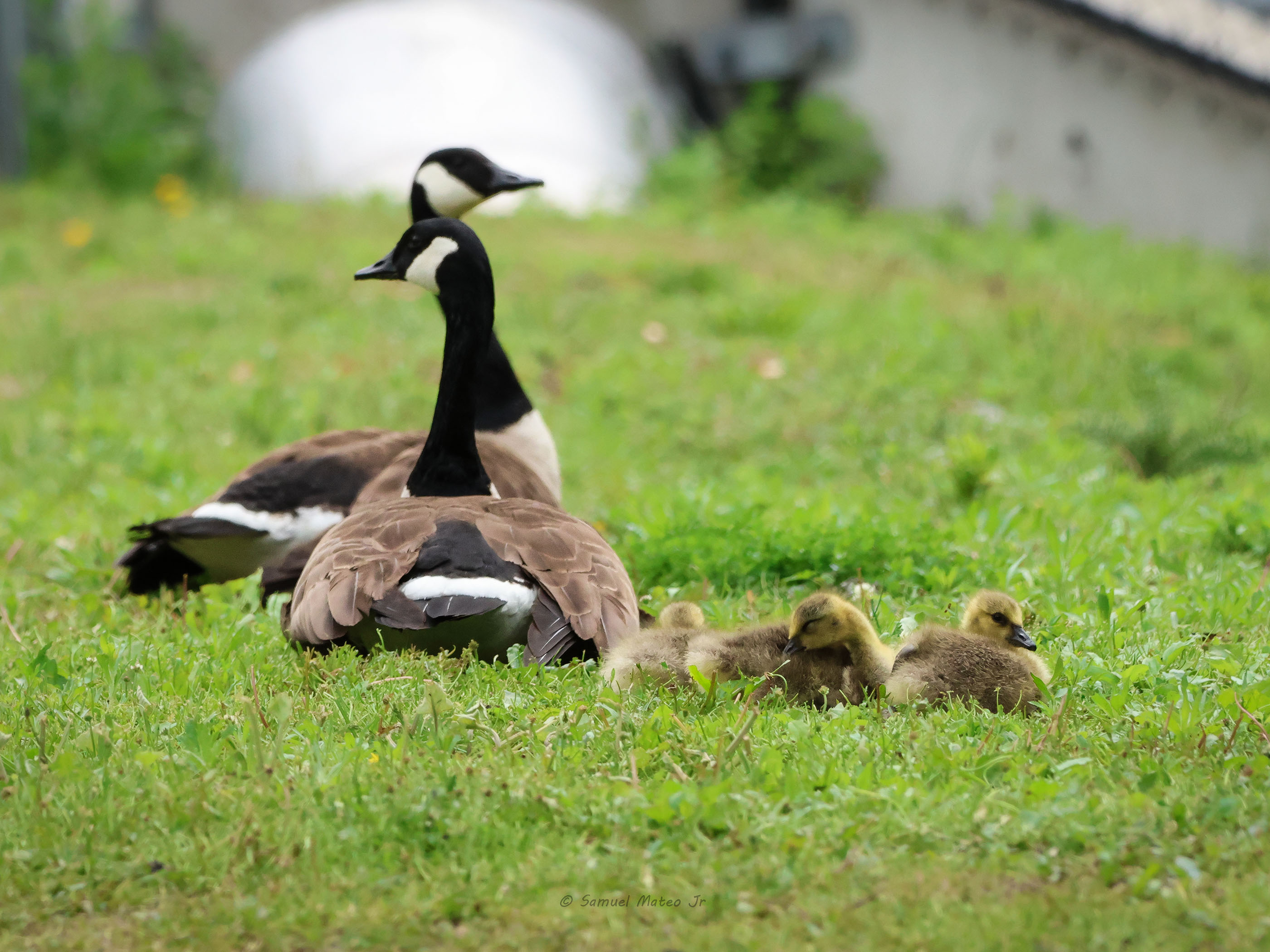
Summer transforms the Hudson Valley into a showcase of nature’s reproductive success stories, offering countless opportunities to view wildlife. Some of the more notable species recently observed through the Defining Urban Biodiversity project are migratory breeding birds. These summer residents visit us during the warmer months to feed and raise their young. They include the ruby-throated hummingbird, the indigo bunting, rose-breasted grosbeak, tree swallow, least bittern, and the eastern kingbird (to name just a few). During this time, we have had frequent sightings of white-tailed deer fawns, young eastern cottontail, juvenile striped skunk, and Virginia opossum exploring alongside their parents.
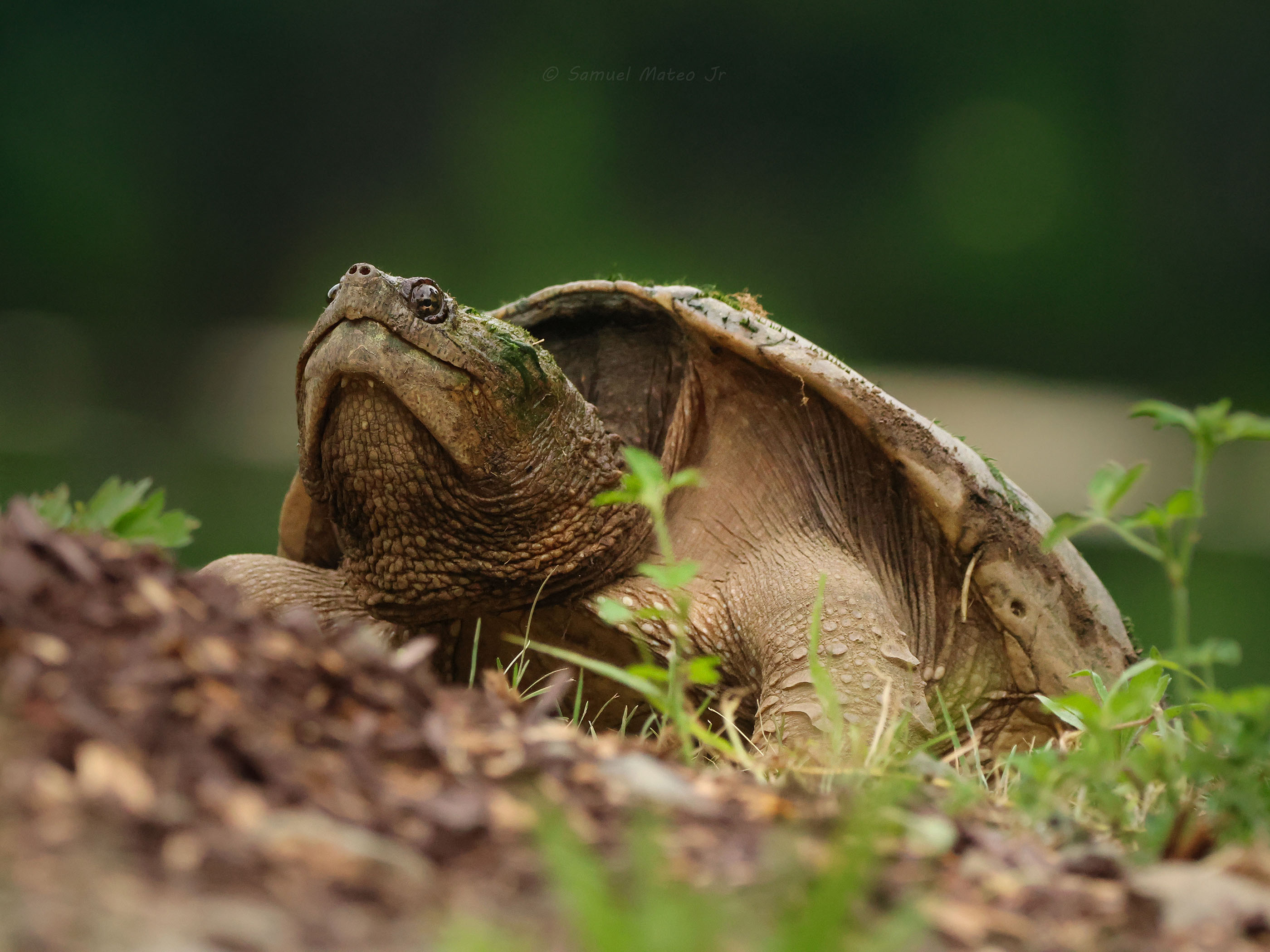
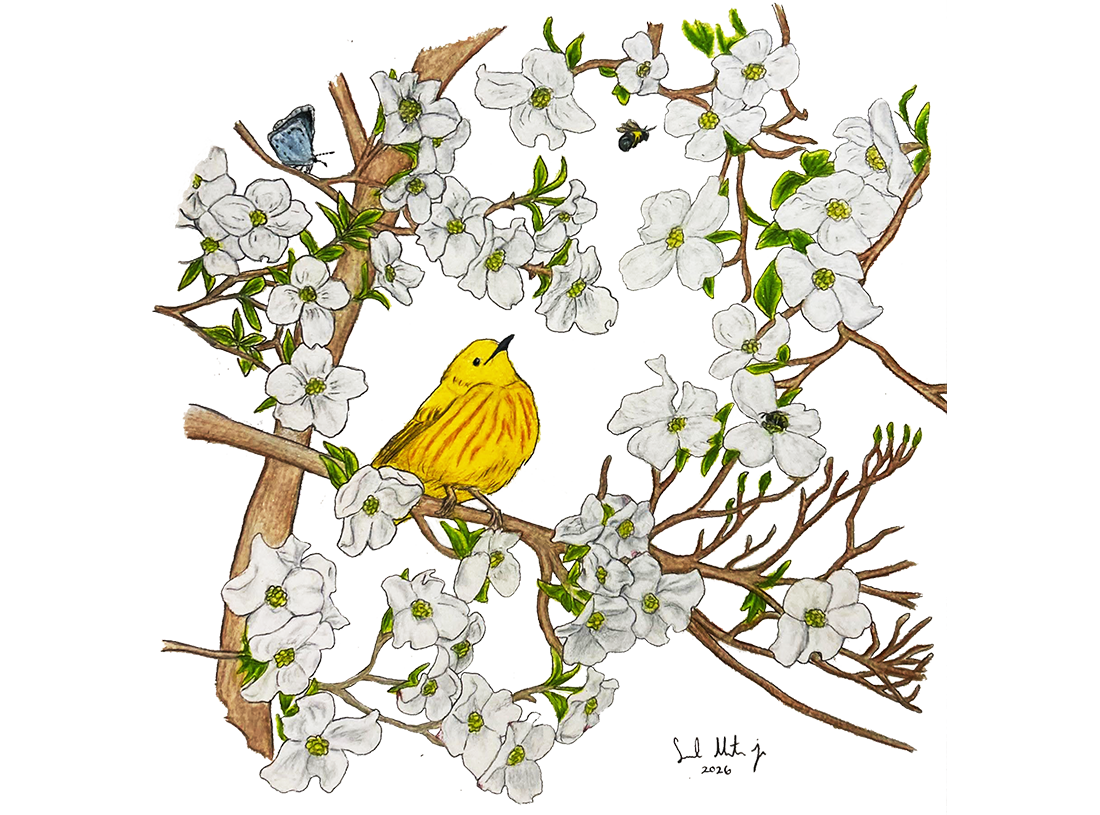
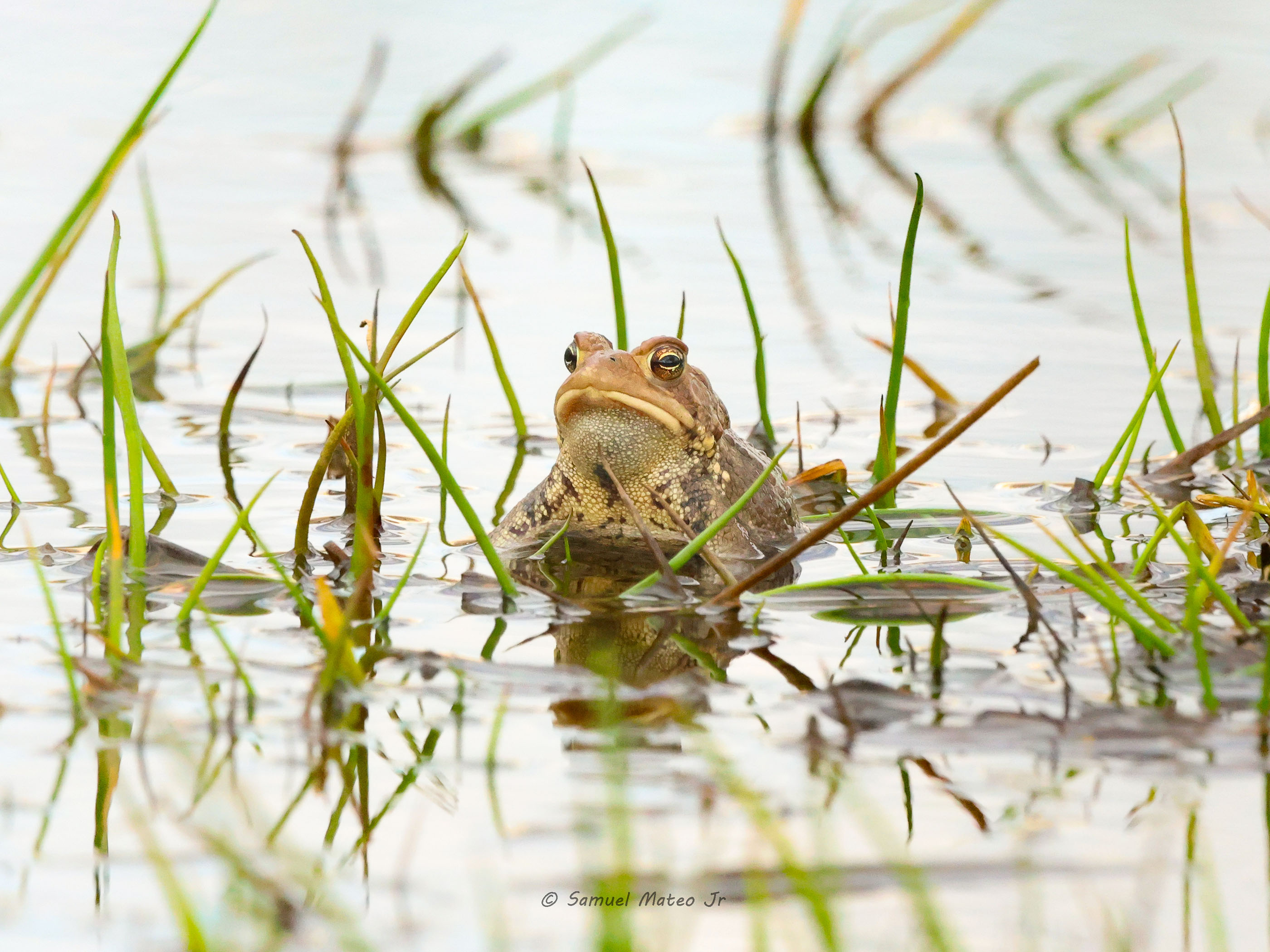
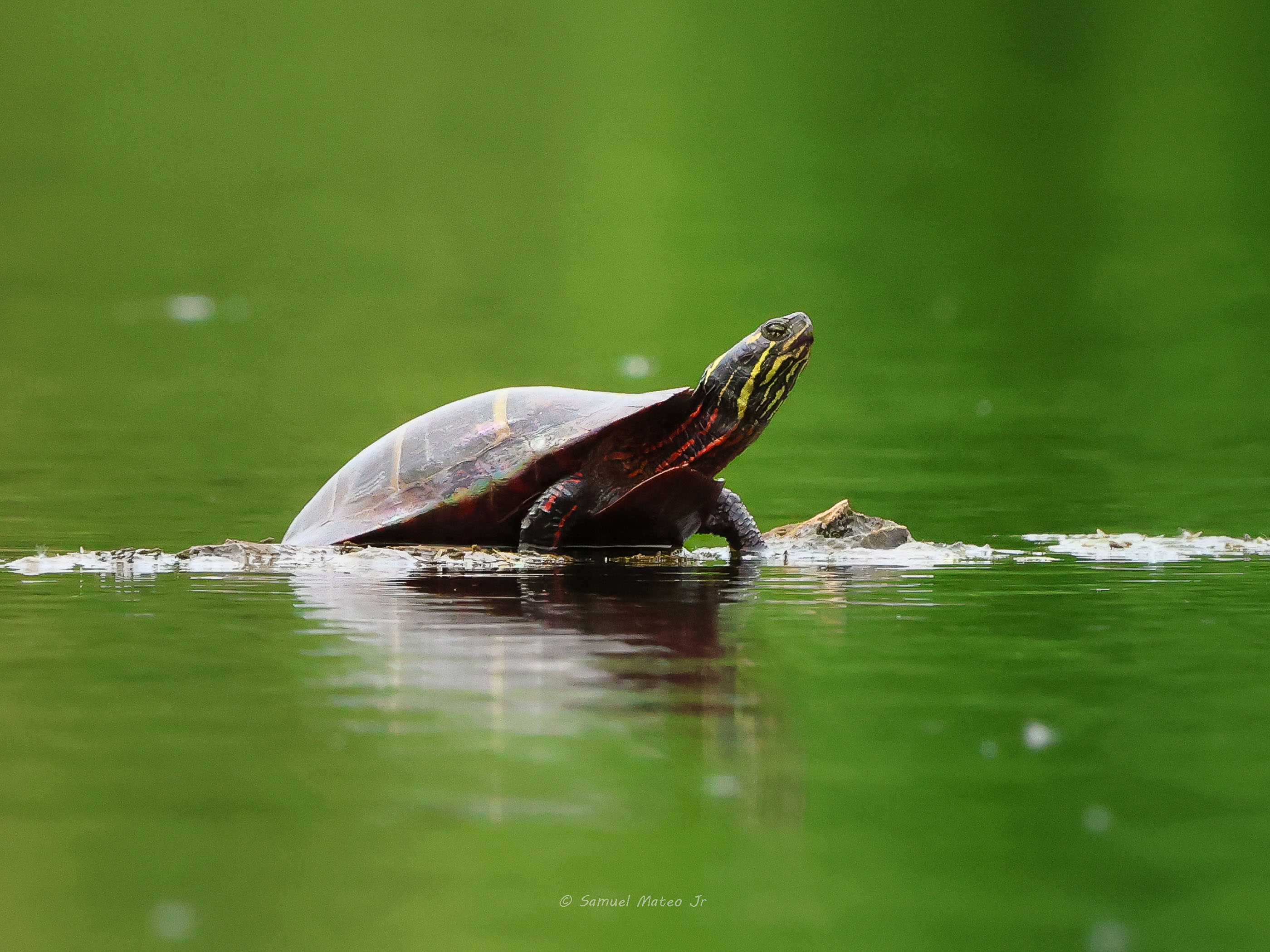
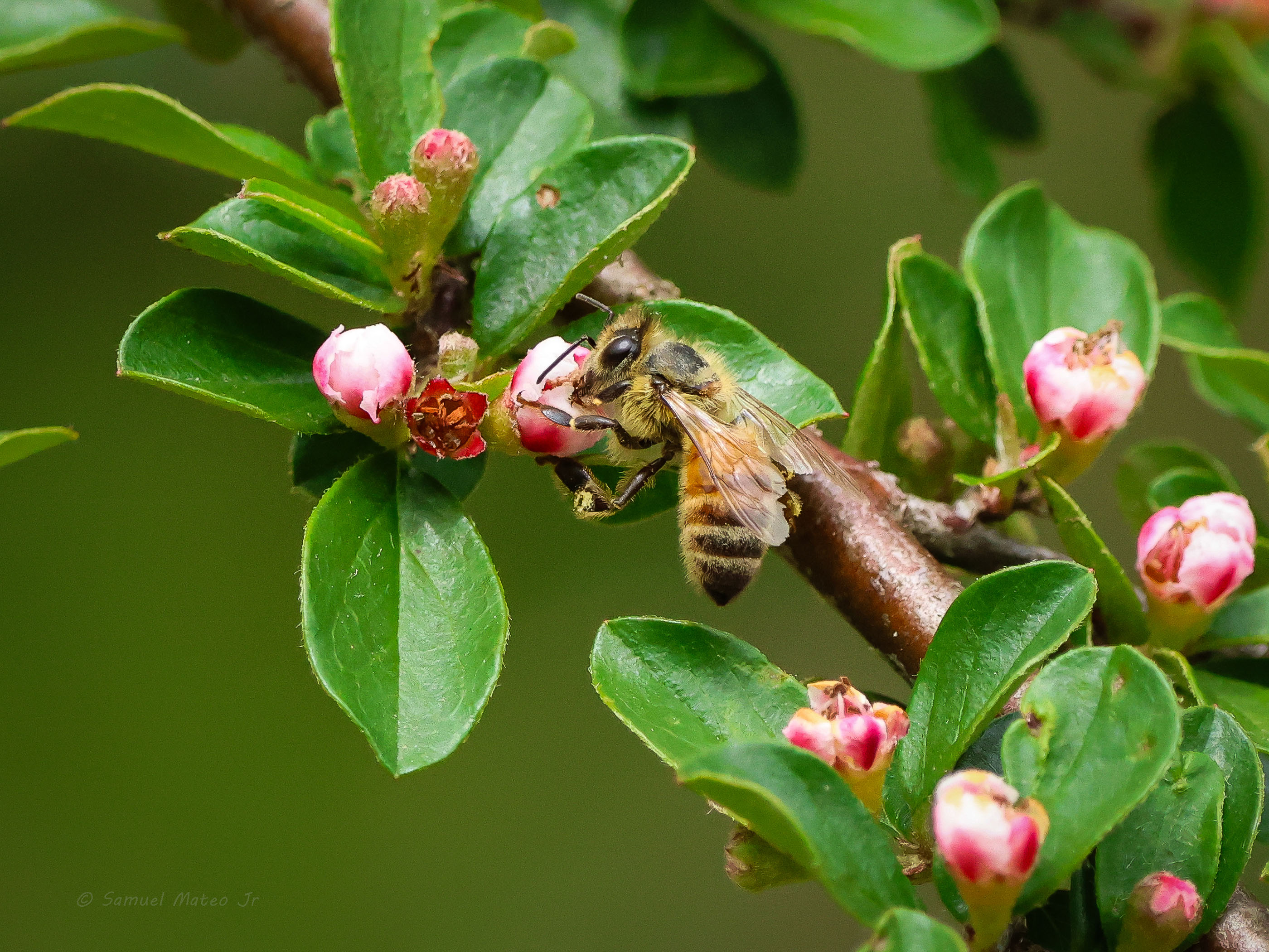
Meadows and gardens have come alive with monarch butterflies, eastern tiger swallowtails, dragonflies, and native bees, providing excellent moments for up-close nature photography. As the temperatures rise, ponds, streams, and wetlands have become a hub for aquatic and semi-aquatic life below the surface. Keep an eye out for basking snakes and turtles using the warm sun to regulate their body temperatures.
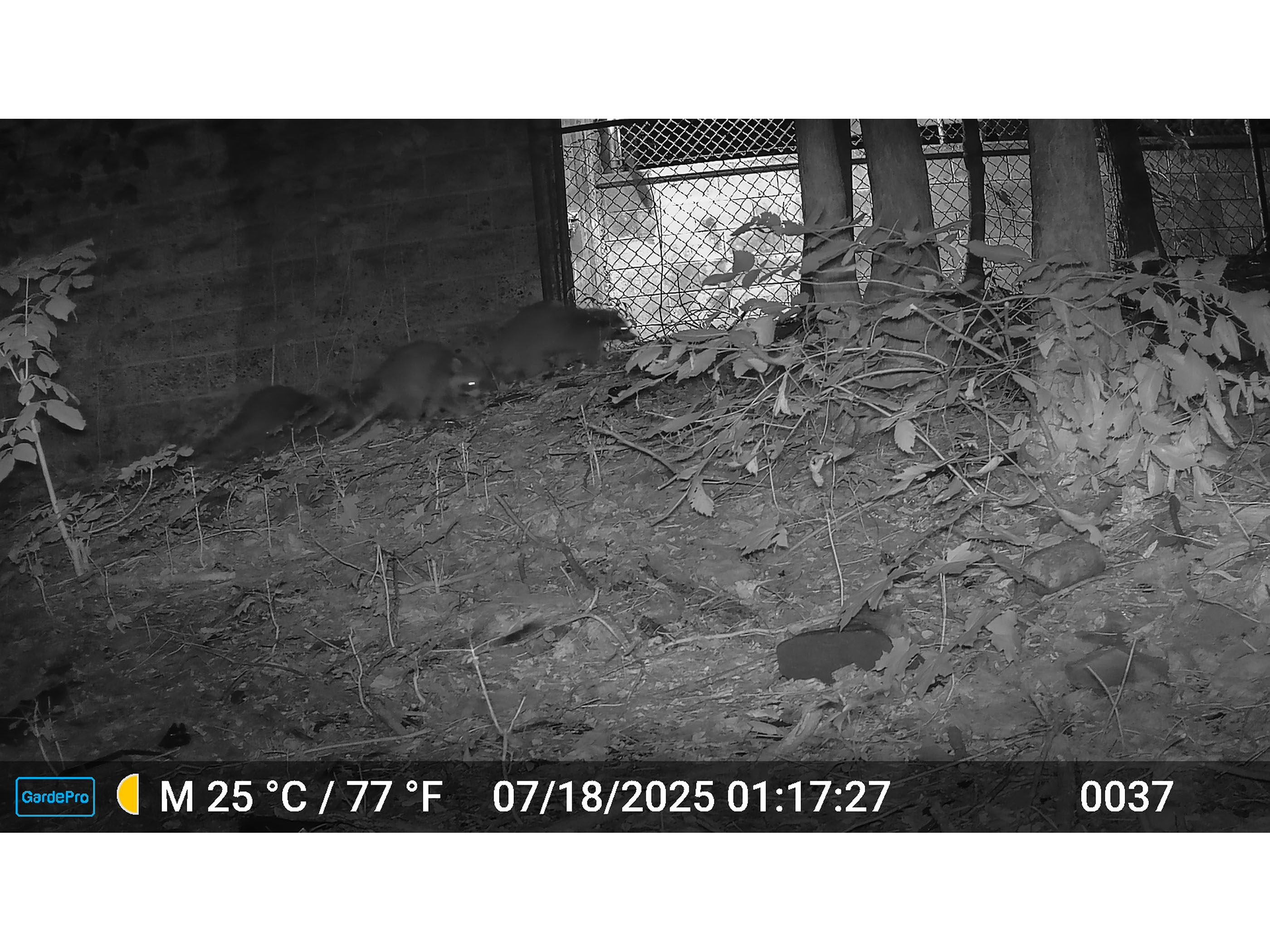
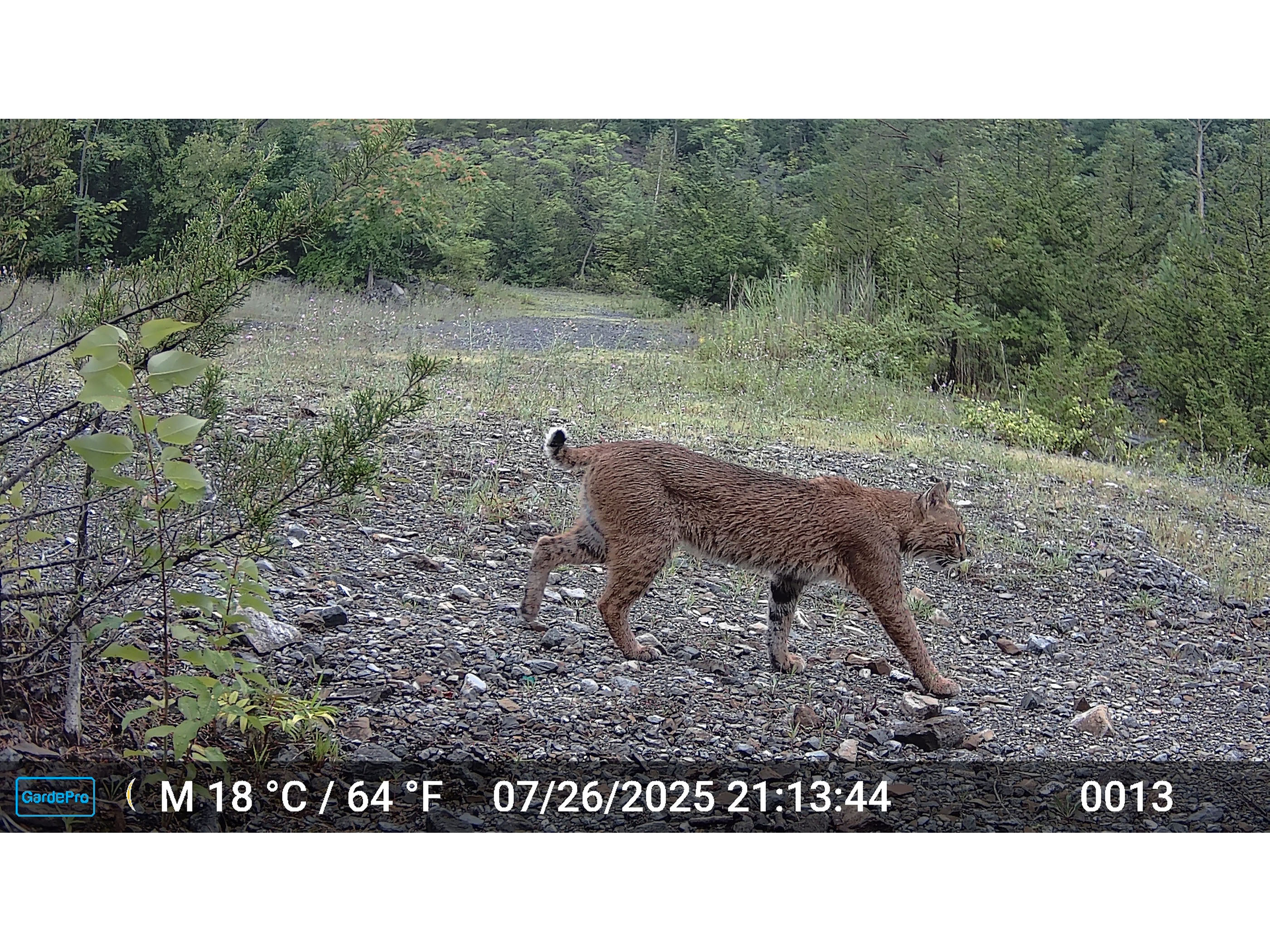
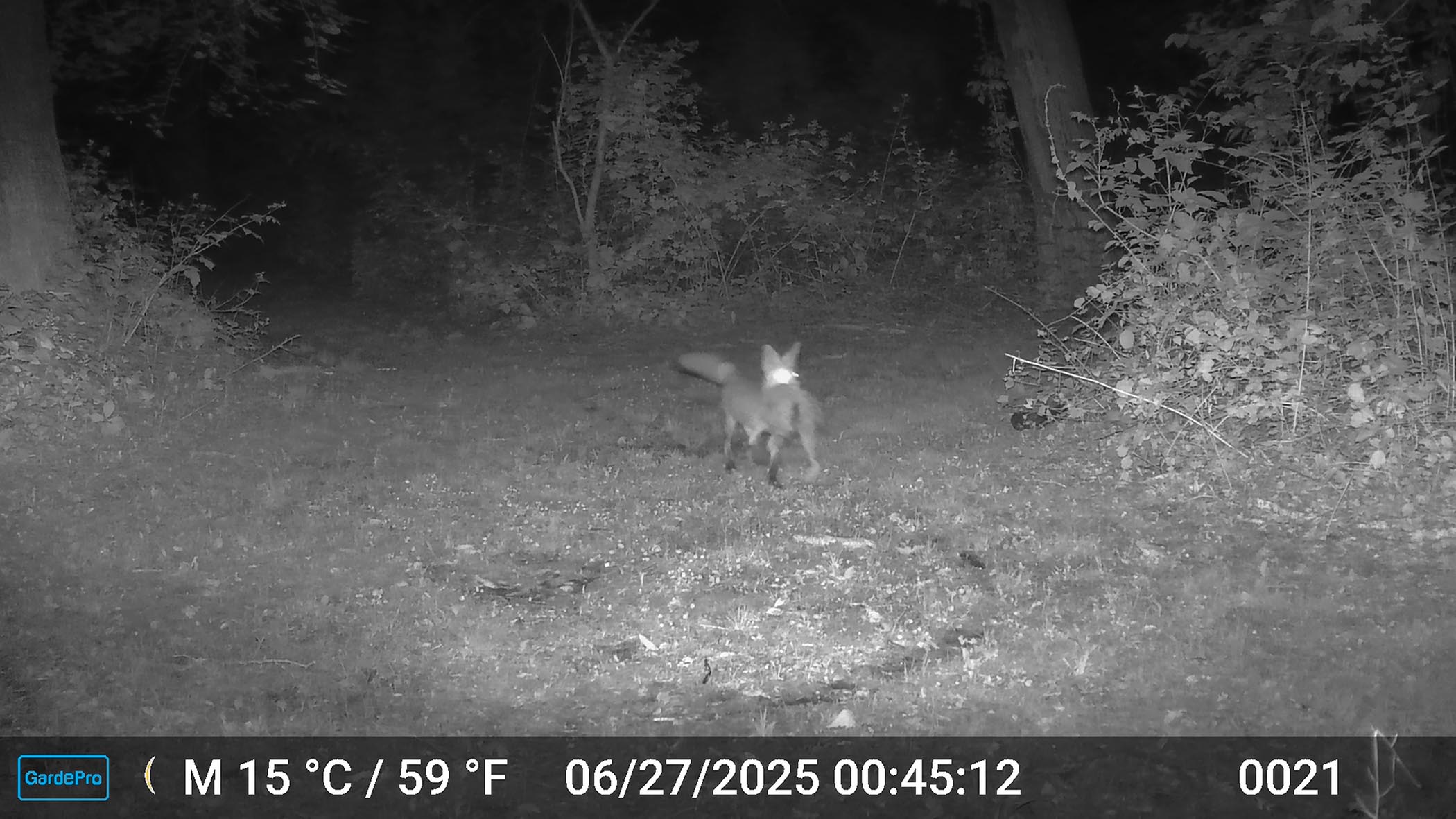
As forests and fields reach peak leaf-out and dense vegetation blankets the landscape, animals can be hidden from our trail cameras, so your observations and photographs play an important role in helping the Defining Urban Biodiversity project better understand which species are present at our study sites and where they are thriving. Grab your phone and join us in documenting the flora and fauna that make the Hudson Valley come alive each summer.
By helping us understand how plants and animals use the green spaces in our cities, your wildlife observations — combined with data from our trail cameras and other scientific data collection — support the planning, management, and implementation of conservation programs designed to enhance the green spaces that people and nature share all year round.
Last month, the Defining Urban Biodiversity project partnered with the Hudson Valley Bee Habitat and the Bee Conservancy for a volunteer event to document the plants and animals at the Pollinator Sanctuary and the Sojourner Truth State Park in Kingston. Community members submitted more than 100 observations and learned about multiple species of bees, butterflies, and other pollinators. A few that stood out were the modest masked bee, golden sweat bee, a two-spotted bumblebee, the caterpillar of a white-masked tussock moth, a rose-breasted grosbeak, and an eastern kingbird.
Interested in participating in community science? Join us at one or both of our July BioBlitz events. During these family-friendly gatherings, nature lovers of all experience levels come together to identify the flora and fauna at each site. A bioblitz is a fun way to get outdoors, connect with your neighbors and local wildlife, and support science. See below for more information about upcoming public events and registration links.
July 10, Bioblitz at College Hill Park in Poughkeepsie with Cornell Cooperative Extension Dutchess County No Child Left Inside Program
Register Poughkeepsie
July 18, Downing Park Bioblitz in Newburgh with Environmental Justice Fellows and Downing Park Conservancy
Register Newburgh