


“Safety off,” says Matthew Gano as he crouches in the mud holding an eight-foot-tall slingshot. “Aiming.… Firing.” With a heavy rubbery slapping sound, a weight tied to a thin cord goes whizzing into the branches of Tree 102E. The goal is to sling the cord over a sturdy branch near the tree’s crown, in order to climb up it tomorrow. Again and again, Gano aims, fires, then bounces the cord up and down to see if it caught on a sturdy branch. Finally, after 11 attempts, he’s satisfied with the placement.
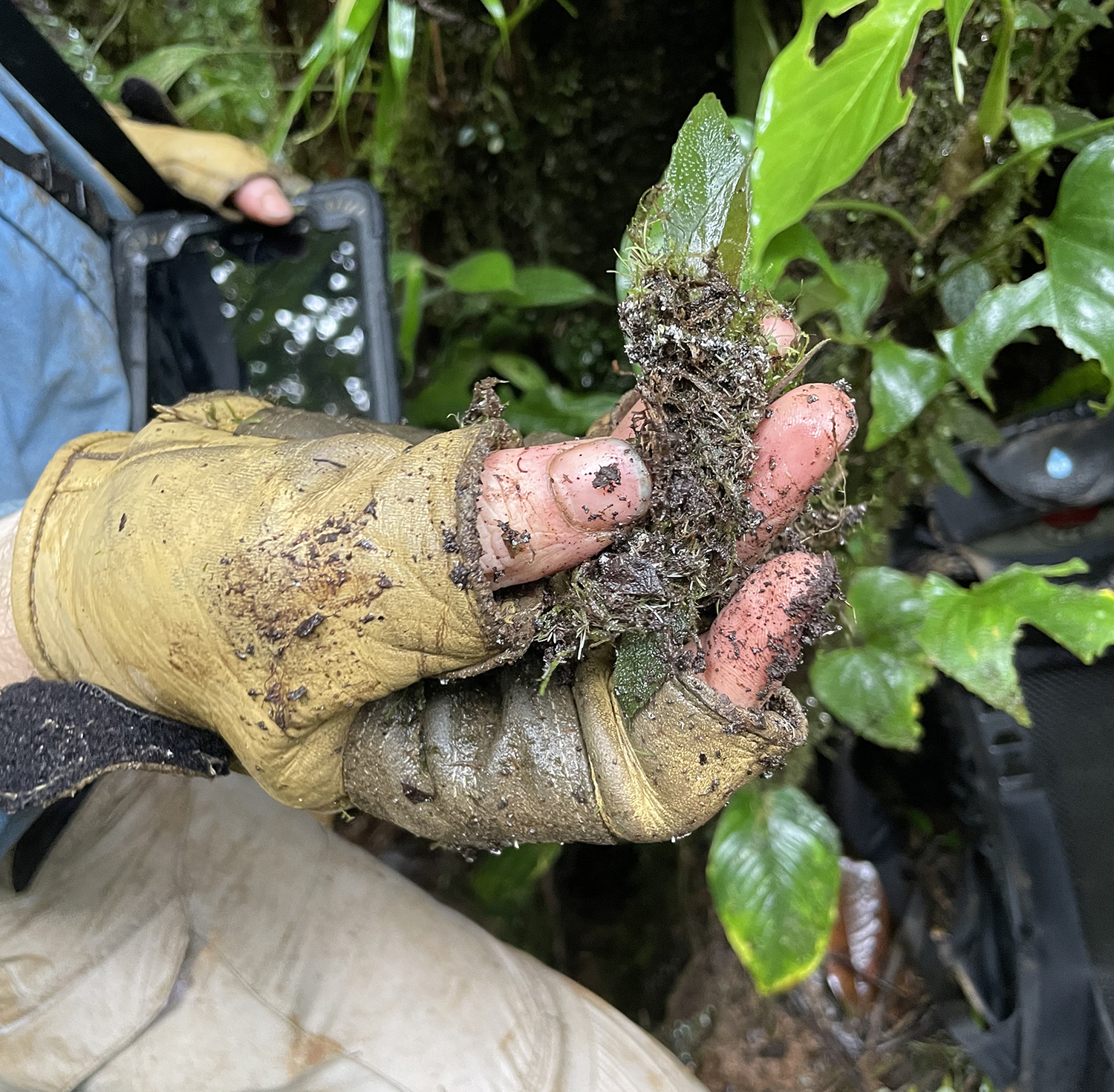
The reason Gano is working so hard to get up into this tree is — perhaps counterintuitively — to study soil. A special kind of soil that grows on trees here in Santa Fe National Park in Panama, and in many other cloud forests around the world.

Scientists don’t know much about canopy soil, in part because it’s so difficult to reach. But with funding from the US National Science Foundation, a new project is poised to reveal more about what it’s made of, what microbes are living in it, and what role it plays in the carbon cycle. The international team is co-led by Jane Lucas and Evan Gora of Cary Institute of Ecosystem Studies, along with Michelle Elise Spicer of Lehigh University. Gano is a doctoral student in Spicer’s lab.
Crucially, the team thinks canopy soil can help us better understand the future of bacteria and fungi in a hotter, drier, and less predictable world. And our future depends on these microbes.
Microbes rule the world
“Microbes are what allow soils to function, to grow our plants, and store carbon,” explains Lucas, a soil ecologist at Cary Institute. “Plants cannot survive in a soil that is devoid of microbes. Microbes are also the reason our world is not filled with trash and dead trees — they’re the ones doing all the decomposing and nutrient recycling.”
With climate stressors increasing, scientists are wondering how microbes will respond, and whether they will continue to be able to fulfill these critical functions. “Not only do we need this information so that we can help the microbes that allow us to get food on the table and store carbon and recycle nutrients,” says Lucas, “but we also need to know how to manage the fact that we might get changes in harmful, disease-causing microbes, too.”
Canopy soil can help to reveal how climate change may impact these microscopic powerhouses. That’s because, depending on where they’re found on the tree, soil canopy microbes experience dramatically different conditions. Compared to microbes near the base of the tree, bacteria and fungi living just 20 meters up the tree trunk live in conditions that are 3 to 5 degrees Celsius (5.4 to 9 degrees Fahrenheit) hotter, much drier, and much more variable — all changes that are expected in many parts of the world over the next century or so.

By studying soil microbes living at different heights along each tree, the team hopes to learn which traits allow them to thrive at each level, and what kinds of microbes and genes are most sensitive or resilient to climate change, to predict which groups will be winners or losers in a hotter, drier and more variable future.
“All across our planet, we know organisms, particularly microorganisms, are experiencing higher temperatures, more dryness, and more variability in microclimate, and we don’t know how they will respond,” explains Gora, a forest ecologist at Cary Institute. “In this ecosystem, we have a great example where those communities are already adapting to these kinds of changes and figuring out how to make it work. They provide a window into the future — not just here in Santa Fe, but for forests and microorganisms everywhere.”
Normally, when scientists try to study the impacts of temperature and humidity on plants, animals, or microbes, they might do so by comparing those living at the top versus the bottom of a mountain slope. Or they go to two completely different environments, like a temperate forest and a desert. In both scenarios, those environments have so many differences that it’s hard to tease out the specific effects of temperature and humidity.
“But in this study,” says Gora, “we only have to go up 20 meters.” Because the microbes in this study share the same tree and live close to each other, they come from the same species pool, creating fewer potentially confounding variables. In this way, the team sees their project as the start of a long line of investigations using Santa Fe as a model system for understanding how microbial communities come together, and how they will respond to climate change.
What is canopy soil?
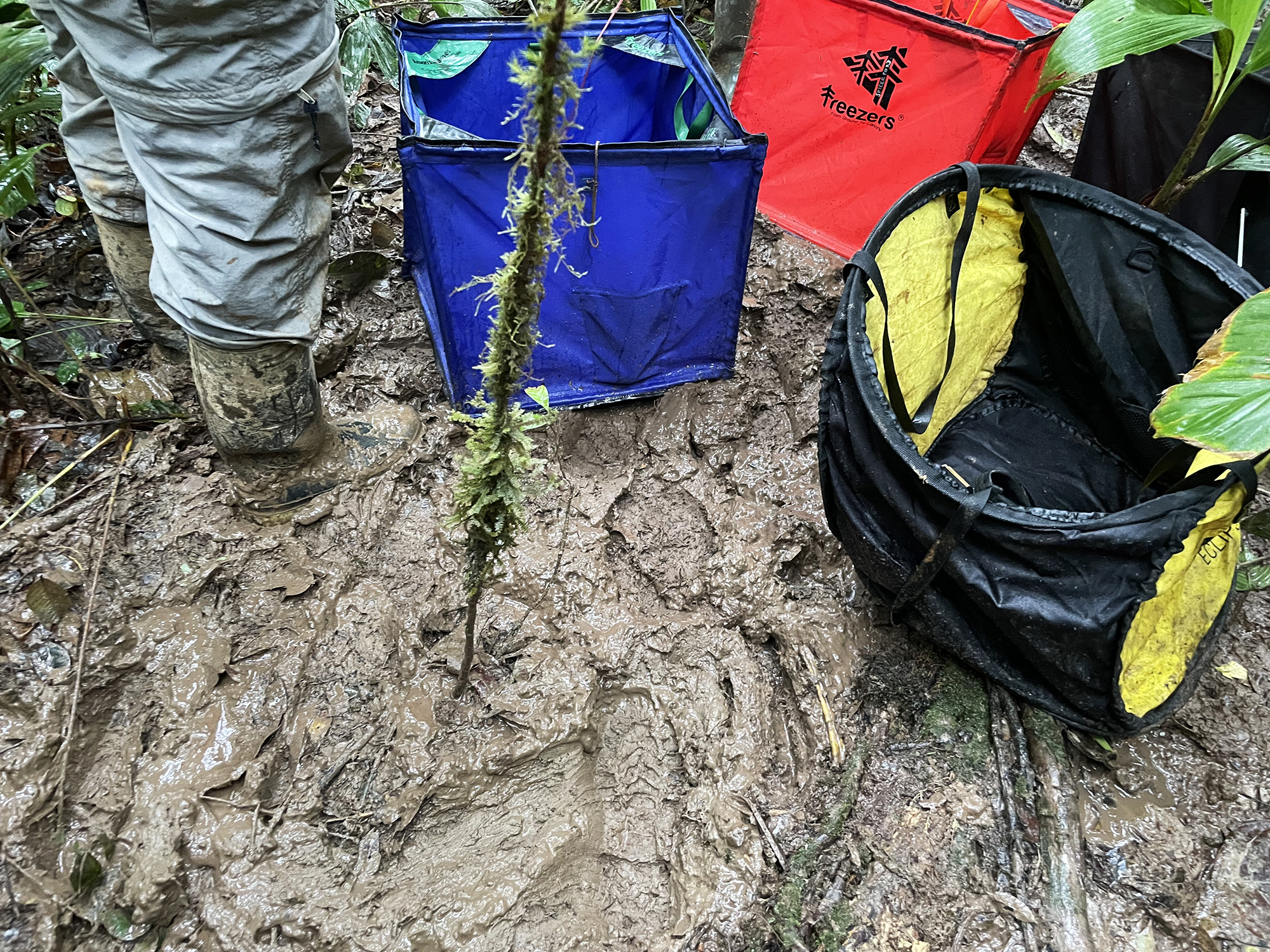
Splash. Squish. Slurp. In Panama’s Santa Fe National Park, slogging through nonstop rain and shin-deep mud, it’s possible to feel like you’ll never be dry again. This is the kind of place where you can hang up your clothes after a wash, and they’ll still be damp days later. The constant dampness is part of the reason that Gora, Lucas, and Spicer chose this forest as a study site.
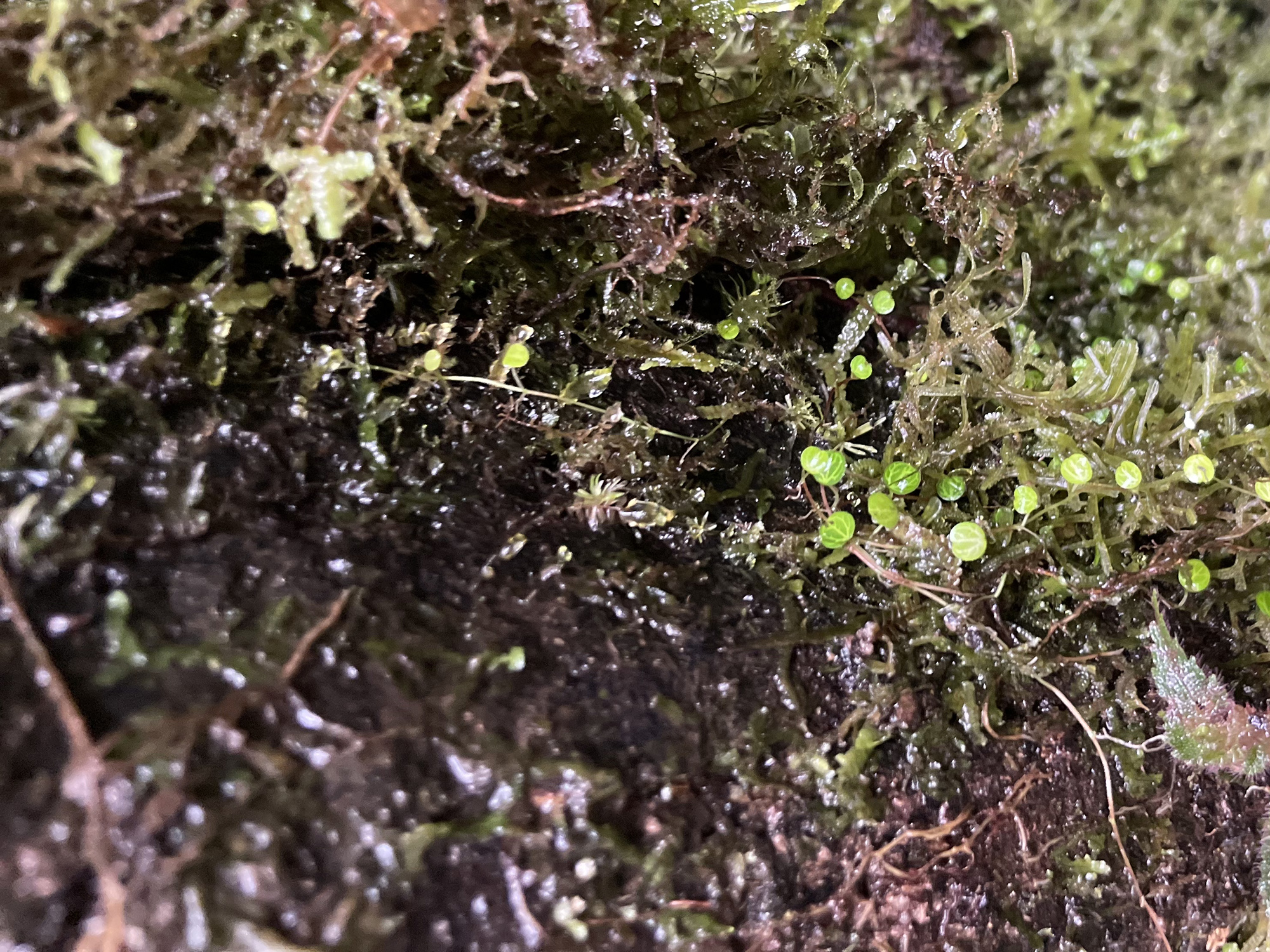
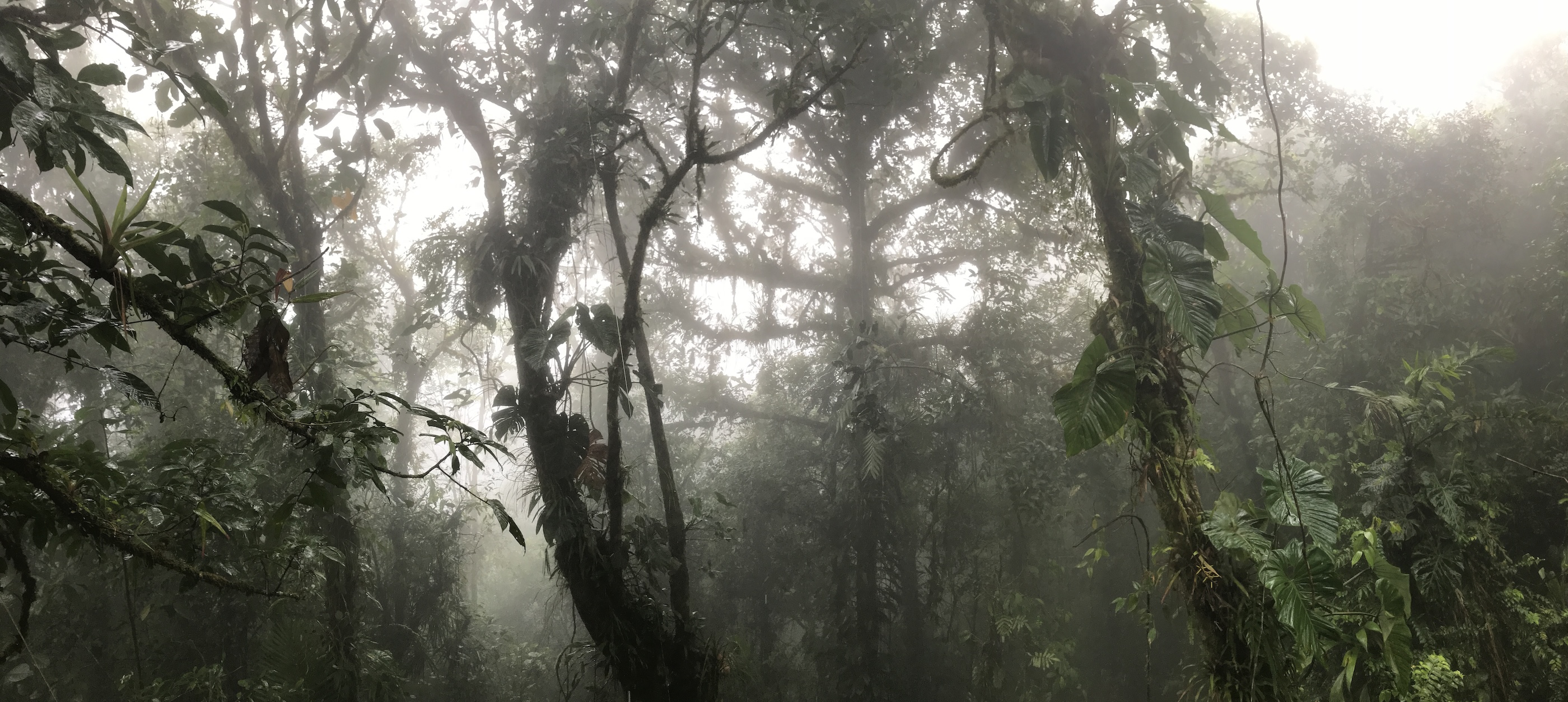
Canopy soil grows best in cloud forests because they are wet and not too warm. In these forests, every living surface is brimming with epiphytes (plants that grow on other plants, ranging from tiny mosses to huge bromeliads) … and even the epiphytes have algae growing on them. When a leaf or plant dies, it often stays in place on the tree, stuck in the dense foliage. Over time, decomposition — slowed down by cool temperatures — turns it into dark, peaty canopy soil.
Like peat that occurs in wet boreal regions, canopy soil is rich in carbon. But its role in the global carbon cycle remains understudied, says Lucas. “We have extremely limited estimates of how much canopy soil is out there, and how much carbon could be sitting on top of these trees. So they are unaccounted for in ecosystem models,” she says. “I suspect we are vastly underestimating canopy soil as a carbon pool.”
Accessing the canopy
Why do we know so little about canopy soils? “Fundamentally, because it’s hard to get to it,” says Gora. “The process of rigging and sampling a tree can take hours. And we can’t just sample one tree; we need to sample a large number of them. So the time really adds up.”
To rig Tree 2, Gora starts by scoping it out, walking all around it, looking for the perfect branch to throw a line over. Ideally, he’s looking for a crux very high in the tree, close to the main trunk to avoid bending the branch, and with several branches underneath it that could catch the rope in case the first branch should happen to break while a climber is up there.
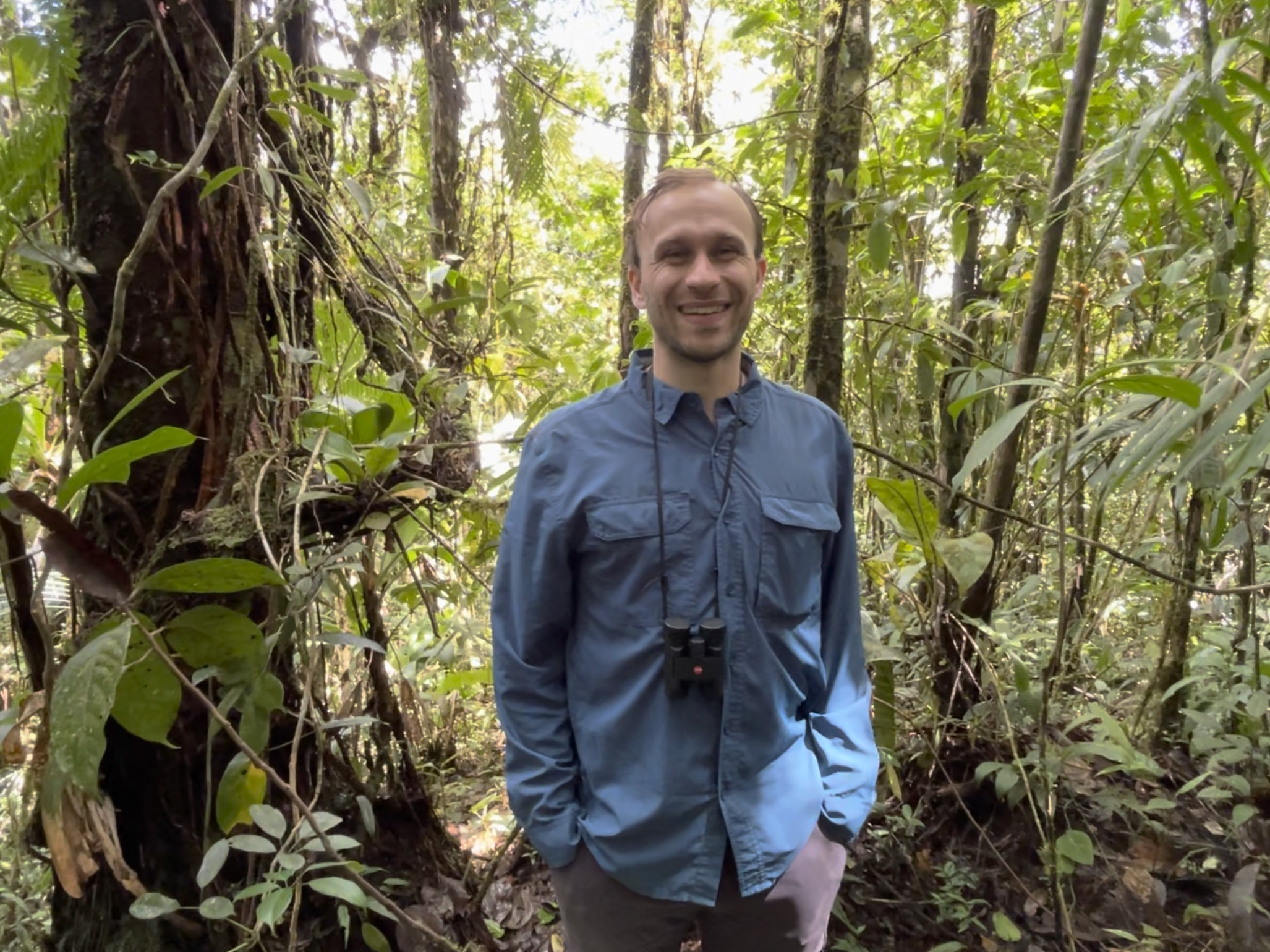
“Man, it’s so hard to see,” he says with binoculars covering his eyes, peering up at the branches shrouded in leaves and coated with epiphytes and thick mats of moss. Once he selects a site, he takes out a handheld slingshot and ties a small anchor to a fishing line — tools he has used to rig trees since his field work as a doctoral student. That was when he first learned that his adolescent days spent shooting a bow and arrow on the family farm could actually come in handy for science.

Three shots (snap, hiss, thunk) and he’s got it. “I think that’s perfect,” he says, checking and double-checking through the binoculars. Next, he uses the fishing line to pull up a rope. Tomorrow, the team will pull up a thicker climbing rope.
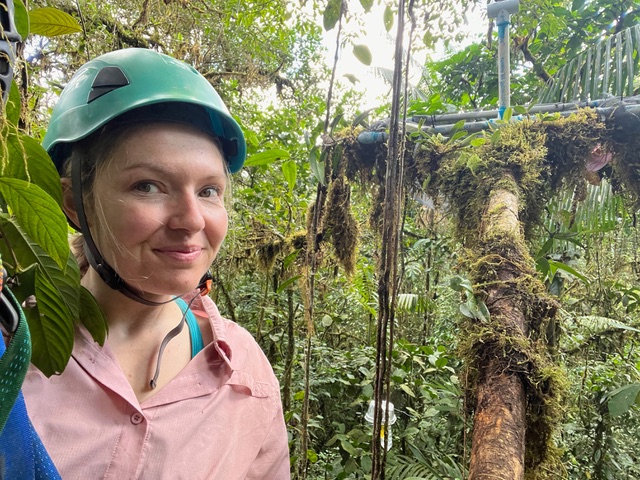
Vanishingly few soil scientists are likely to have such tree-rigging skills, since most of the time they can access their study materials merely by walking outside and crouching down. But together, the project’s three co-PIs bring the skills needed to get up into the trees, sample the canopy soil, and understand what’s living there. Gora brings his forestry experience; Lucas, expertise in soil microbes; Spicer, an in-depth knowledge of the epiphytes that create and grow in canopy soils. An expert climber herself, Spicer has been conducting field work in Santa Fe National Park since 2016. Without her prior data collection and work to set up climbing infrastructure and trails that provide access to the trees, this project would not be possible.
“I always say, if you're going to go through the trouble of climbing a tree, you may as well collect as much data as possible while you're up there,” says Spicer. “I love the opportunities this project provides to discover new relationships, both in how microbial communities are structured, and what they can tell us about potential soil functions in future climate change scenarios. And it opens up even more questions. As a plant ecologist, I am very excited to leverage this project's infrastructure to understand more about epiphyte-microbe interactions in the future.”
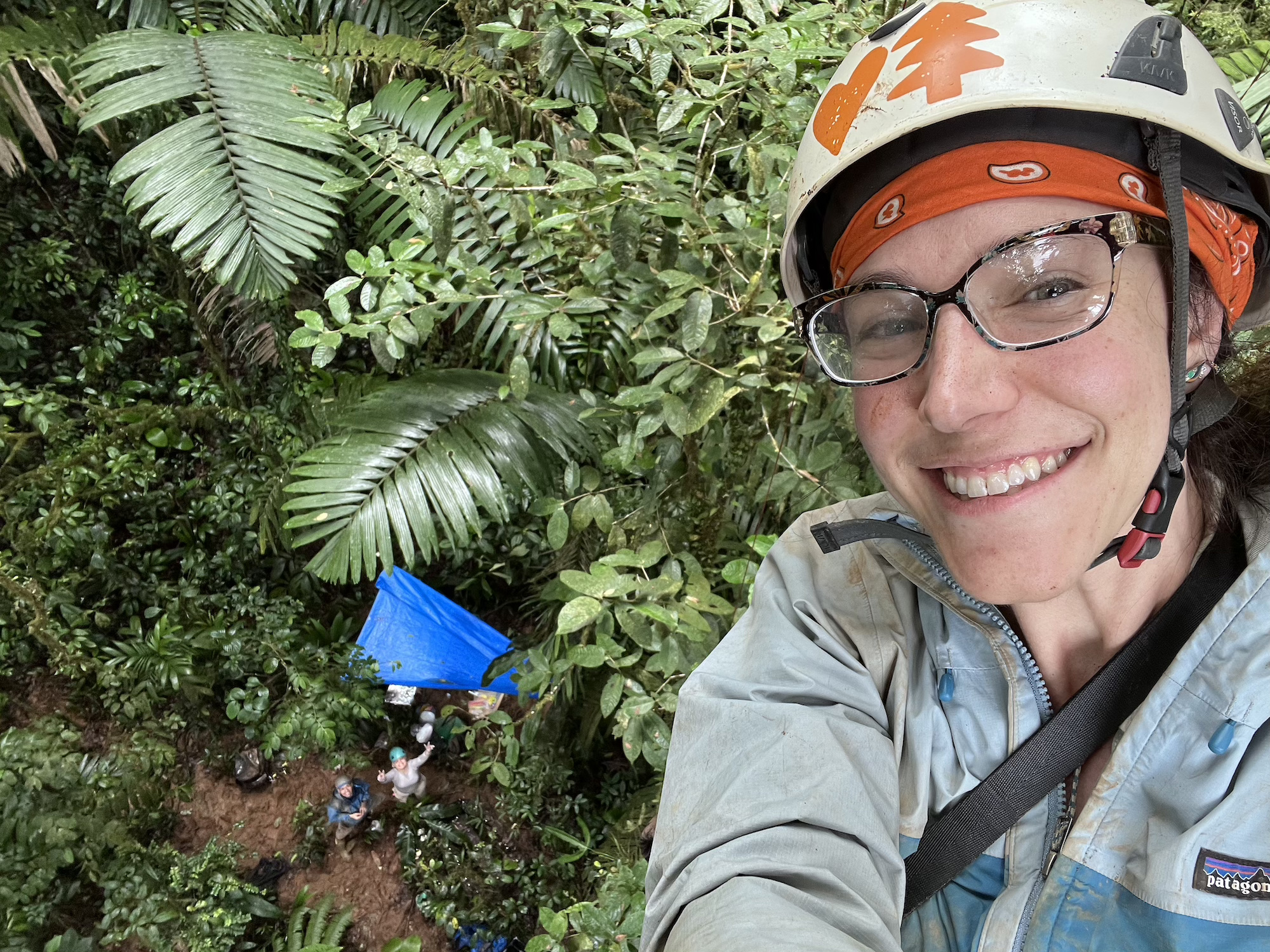
The international team also includes Dan Petticord (Cary Postdoctoral Scientist), Cary research technicians Kevin Boynton and Elizabeth Valentine, and three talented Panamanian field technicians: Veronica Diaz Gittens, Brandol Ortega, and Maryolis Lino.
Demystifying canopy soil
Meanwhile, on Tree 100F, Gano has donned a harness, and he’s bouncing up and down on the climbing rope to test his weight. After checking and double-checking all his climbing gear, he wrestles his foot into a sort of stirrup, then uses a squatting and standing motion to push himself up the rope a few feet at a time, like a six-foot-tall inchworm.
“I love climbing,” says Gano. “The perspective is just so different compared to the view from the forest floor, but it can also be scary, uncomfortable, cold, and wet. The hardest part is learning how to move around the canopy while on the rope so that you can get to the branch that you need to sample when it is on the opposite side of the tree, or it’s blocked by lianas.”
He disappears up the tree trunk, gathering soil samples and recording data, for five hours.

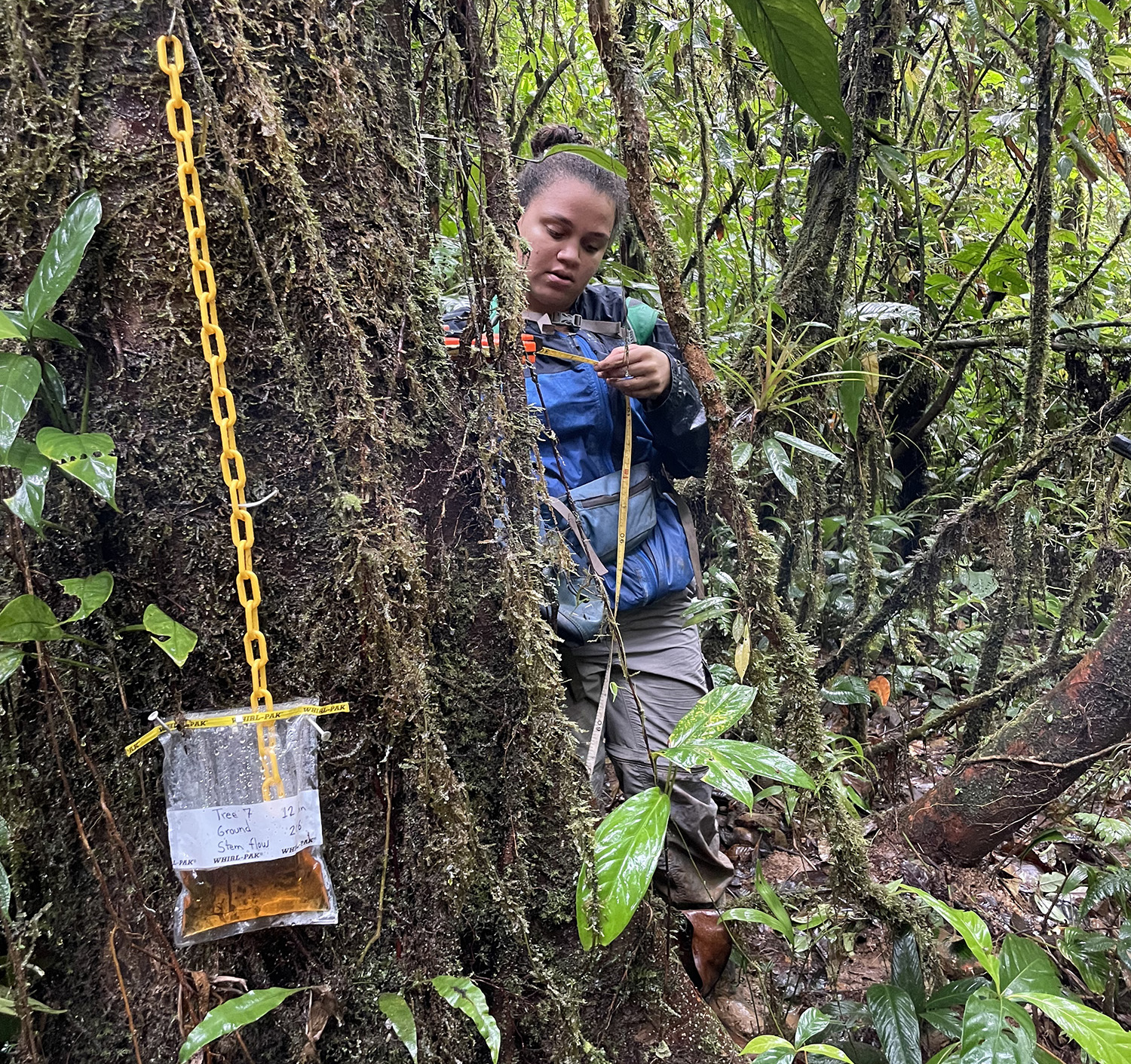
The team is collecting a mountain of data for each of the 24 trees included in the study. With tiny iButtons inside bell-shaped cups of bubble wrap, they monitor temperature and humidity at various heights along each tree trunk. They are also investigating a variety of ways microbes may be moving between the different levels of the tree. Leaf litter traps capture leaves at multiple heights along the tree; the team will test to see which microbes may be surfing around on top. Plastic bags attached to the tree truck collect water to see which microbes might prefer water-based transportation. And finally, air sensors will determine which microbes get around by air.
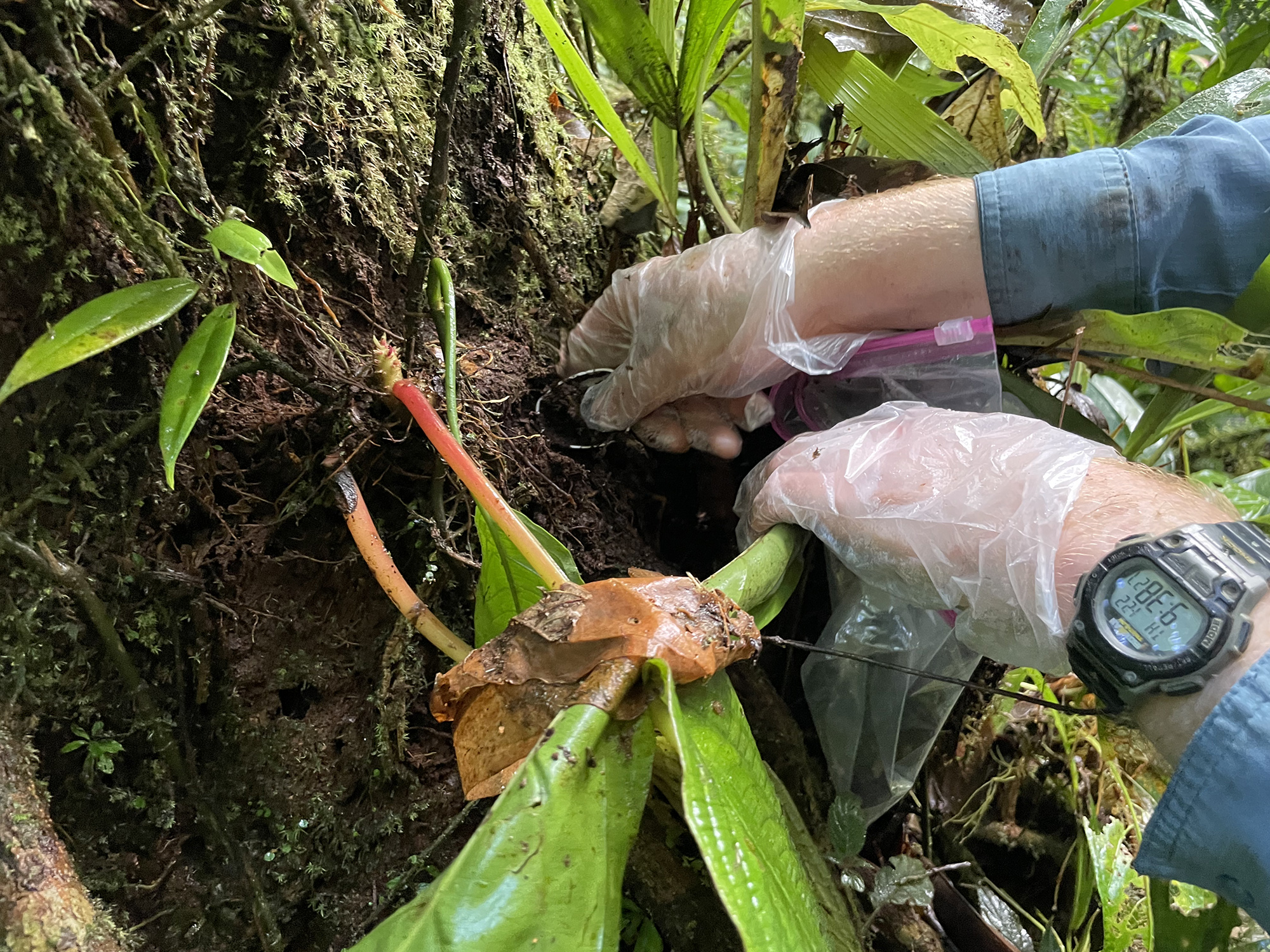
Most important are the soil samples that the team collects from the ground and the canopy. Technician Veronica Diaz Gittens carefully portions spoonfuls of each soil sample into six wrappers. “We make a little taco, making sure all the soil is inside,” she explains while folding the sheets around the soil to make a small bag, “and wrap it up really tight with a zip tie.” Some of the bags from each height will be buried in the ground soil, while others will be tucked into canopy soil. The team wants to find out how the microbial communities fare when transplanted into different soil environments. For example, will microbes that normally live in the ground soil be able to survive the hotter and drier conditions higher up?
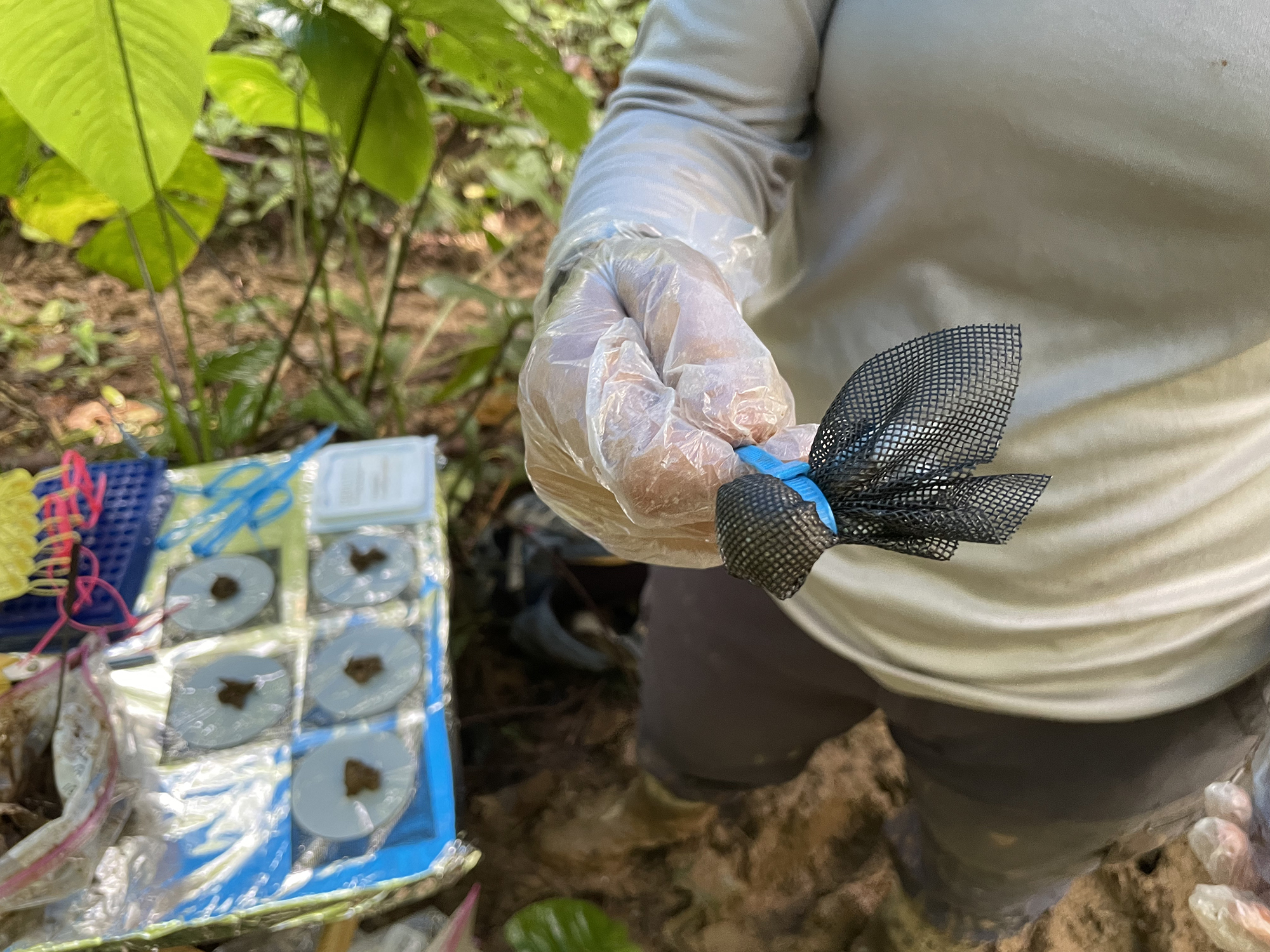
Some of the bags are impermeable to microbes, meaning the transplanted communities only have to deal with the changes in temperature and humidity. Other bags let in microbes from the surrounding soil, where they might compete with the transplanted microbes. In a year, the team will recover the bags and see how the microbial communities have changed after being transplanted and pitted against each other.
Test tube gladiators
Some of the canopy soil samples, instead of being transplanted to different parts of the tree, will take a long road trip to Gamboa, Panama. There, they will undergo a similar set of experiments, but in incubators. In these warming chambers set to replicate the temperature and humidity conditions at the ground and canopy levels, the scientists will see which microbes survive. Whereas the transplant experiments in the field provide a more real-world test, uncontrollable factors such as nutrients, insects, and the movements of other microbes could influence the results; with the more controlled incubator experiments, the team can test whether temperature and humidity really are driving the different abilities of microbial communities to handle climate stress.
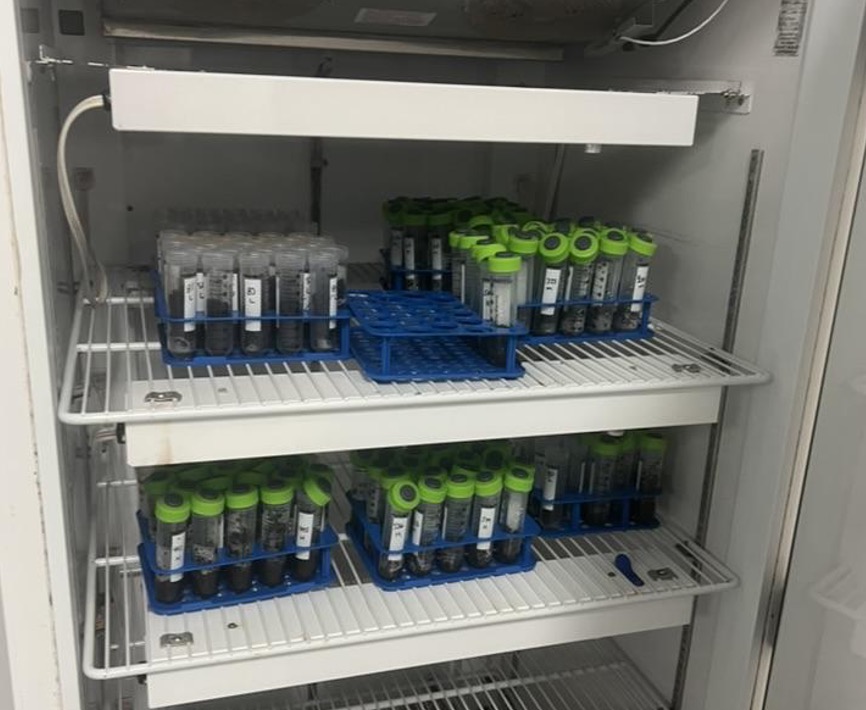
“In these little vials, we’re going to see whether the ground soil continues to look like ground soil when it's kept at high canopy conditions, or does it start to look more like the canopy soil?” asks Lucas. “If we take soil from the ground and from the canopy, and we put it in the same jar and shake it up, and then we keep that jar at ground conditions for a few weeks, does the community from the canopy get outcompeted and disappear?”
Lucas thinks that because the ground soil microbes live in a more stable and comfortable environment, they probably need to invest in traits that help them compete against other microbes that want to live in the same cushy environment. Microbes in the canopy, on the other hand, probably invest in traits that help them tolerate the harsher environment, and therefore will not be good at battling it out with the ground microbes.
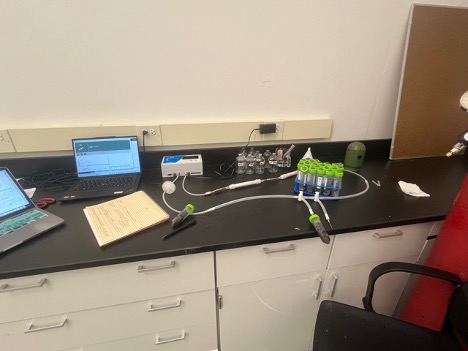
Analyzing the genomes of the microbial communities will allow researchers to better understand the traits that microbes use at each level of the canopy and which microbes and traits are winners and losers under different scenarios. For example, will nitrogen-fixing bacteria — microbes that turn atmospheric nitrogen into plant food — continue to exist in a hotter future? Will they still be able to do their job if they have to invest more energy in heat protection?
“We’re using metagenomics to find out who's there in the soils, and what can they do?” explains Lucas. “What are all the functions that these soils have? Can they process nitrogen? Do they have pathogens? Do they have antibiotic resistance? How do they handle carbon cycling? And how do those functions change when we change the environment? So it gives us a glimpse into the whole toolkit that these different soils have, and what we need to do to make sure they can manage in a future that’s hotter, drier, and more variable.”


