Ep. 2 | Tune in to Spring
May 28, 2026
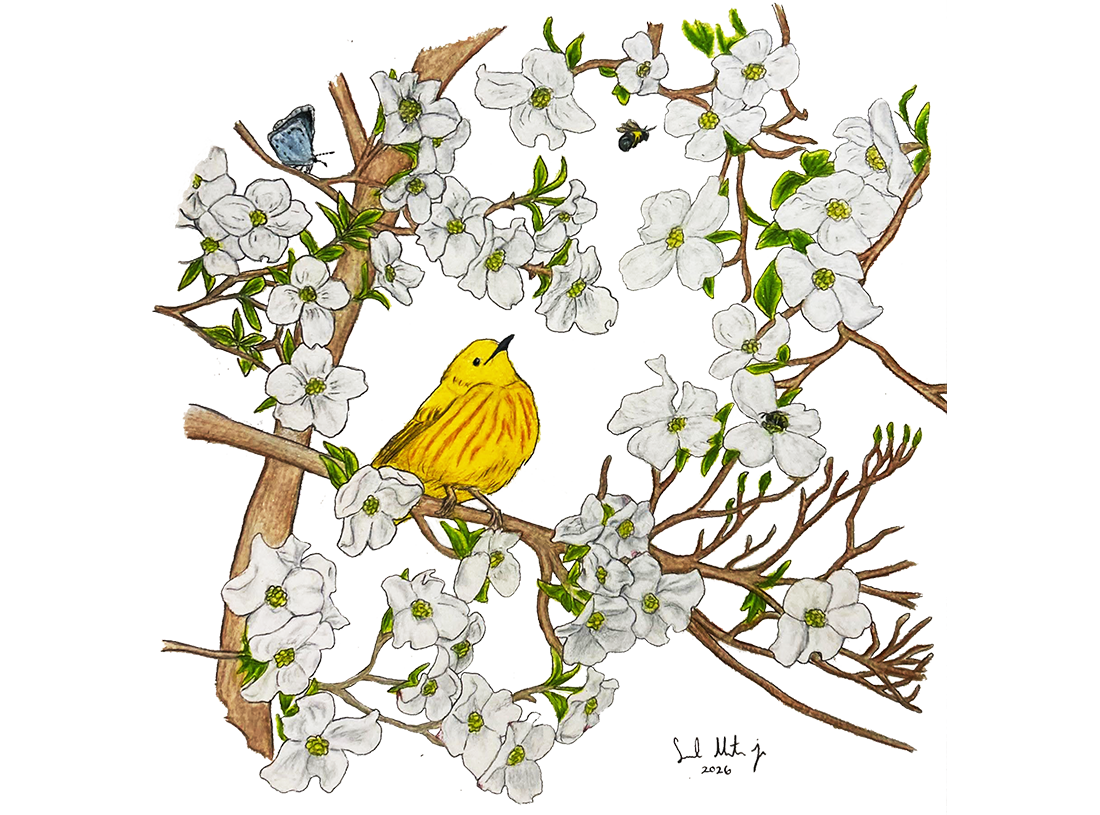
In the Hudson Valley, spring arrives as a powerful source of growth and renewal, inviting both people and wildlife to reconnect with the outdoors after a long winter. In addition to longer days and warmer temperatures, one of the most noticeable changes is the surge of migrating birds returning north, filling the air with song and activity. The use of our urban parks as stopover sites are crucial to the completion of their migration as it provides our feathered-friends a safe haven to rest and fuel before continuing on their adventure.
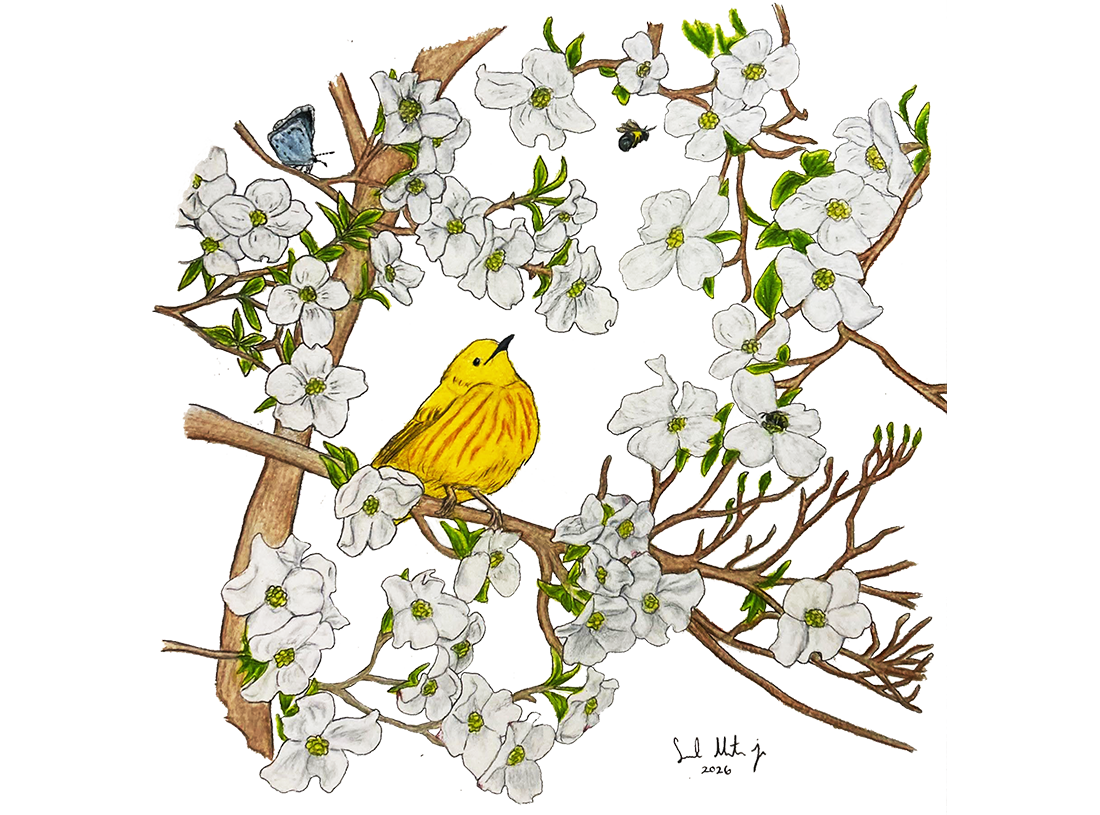
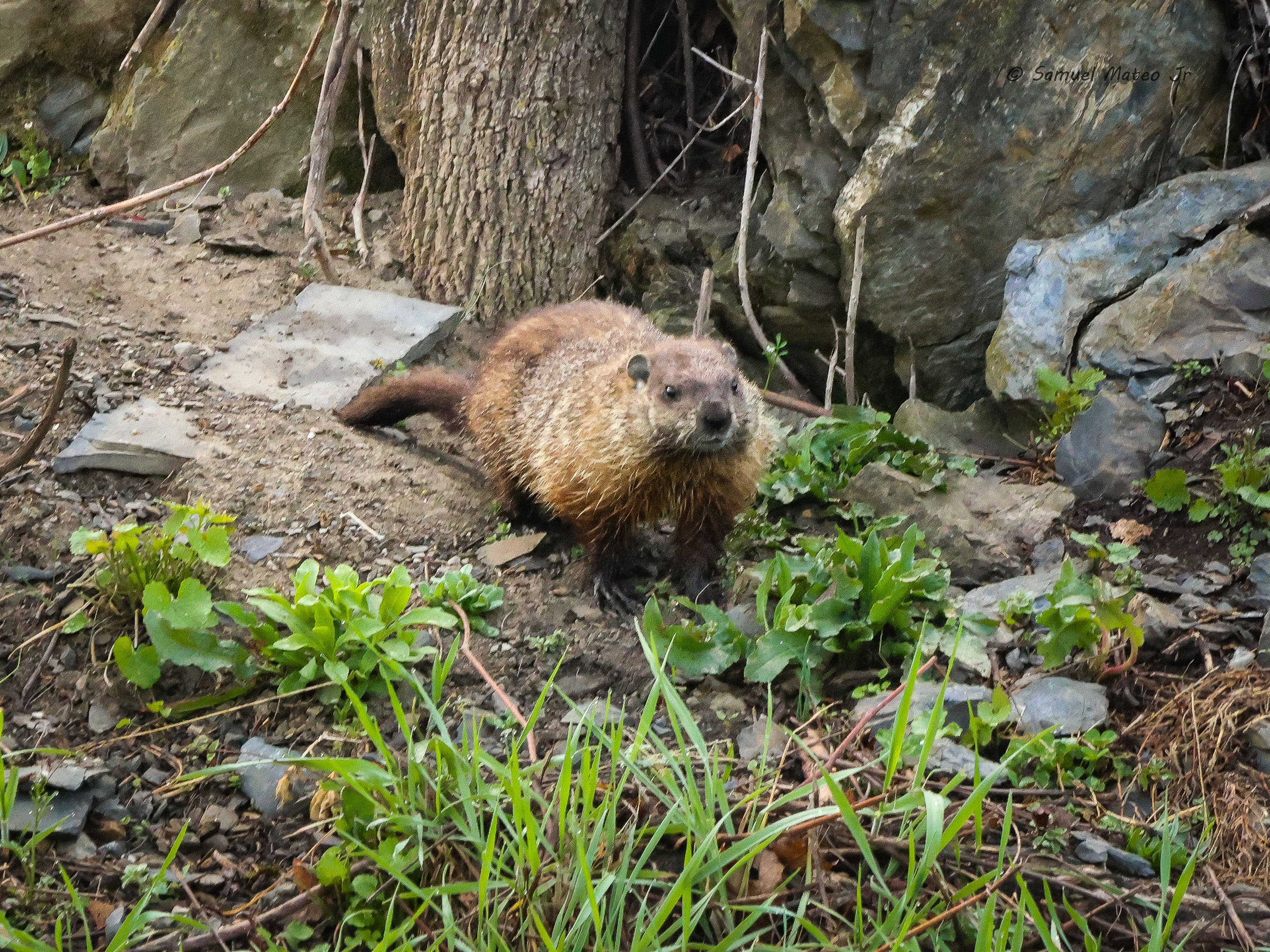
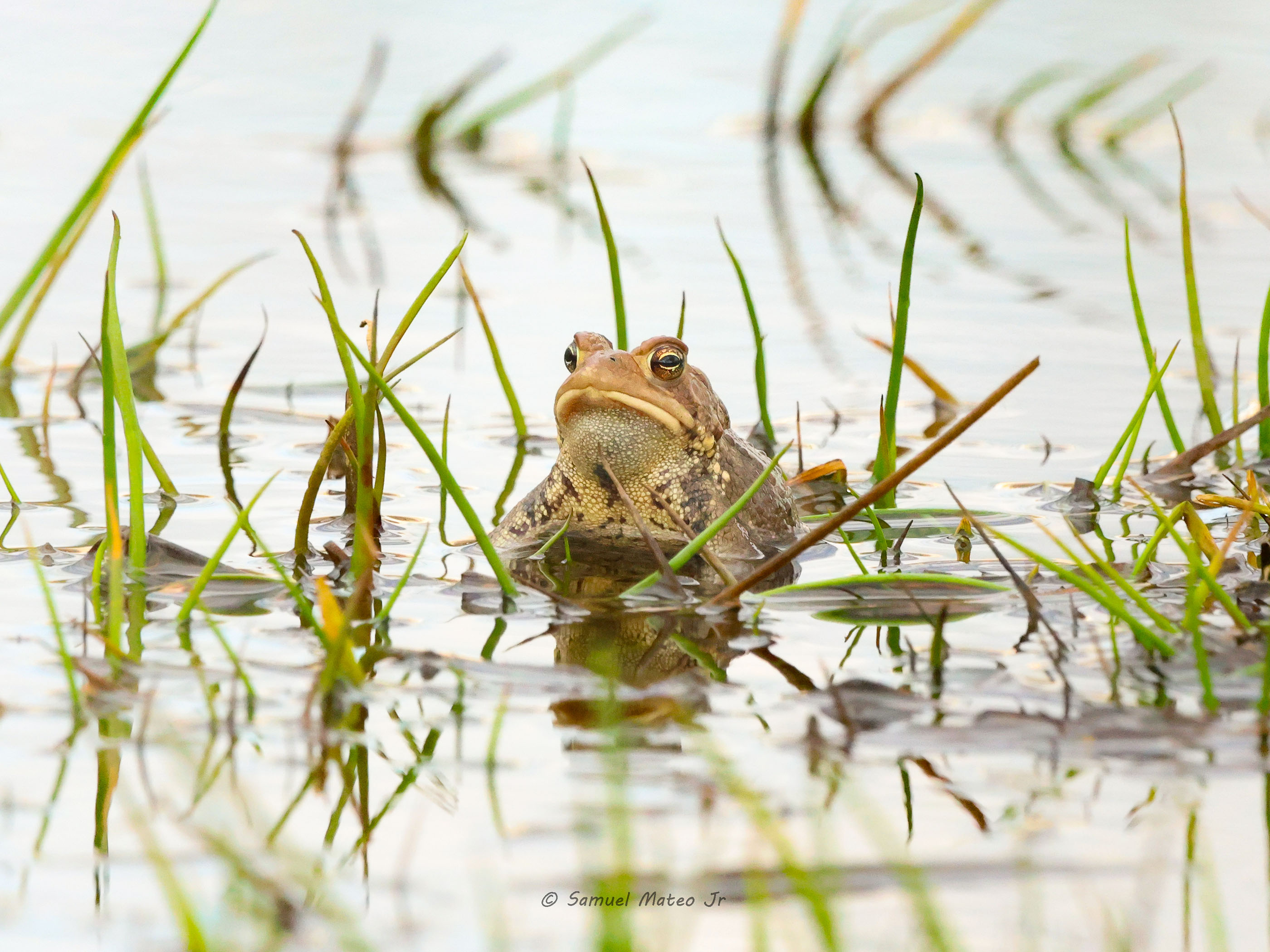
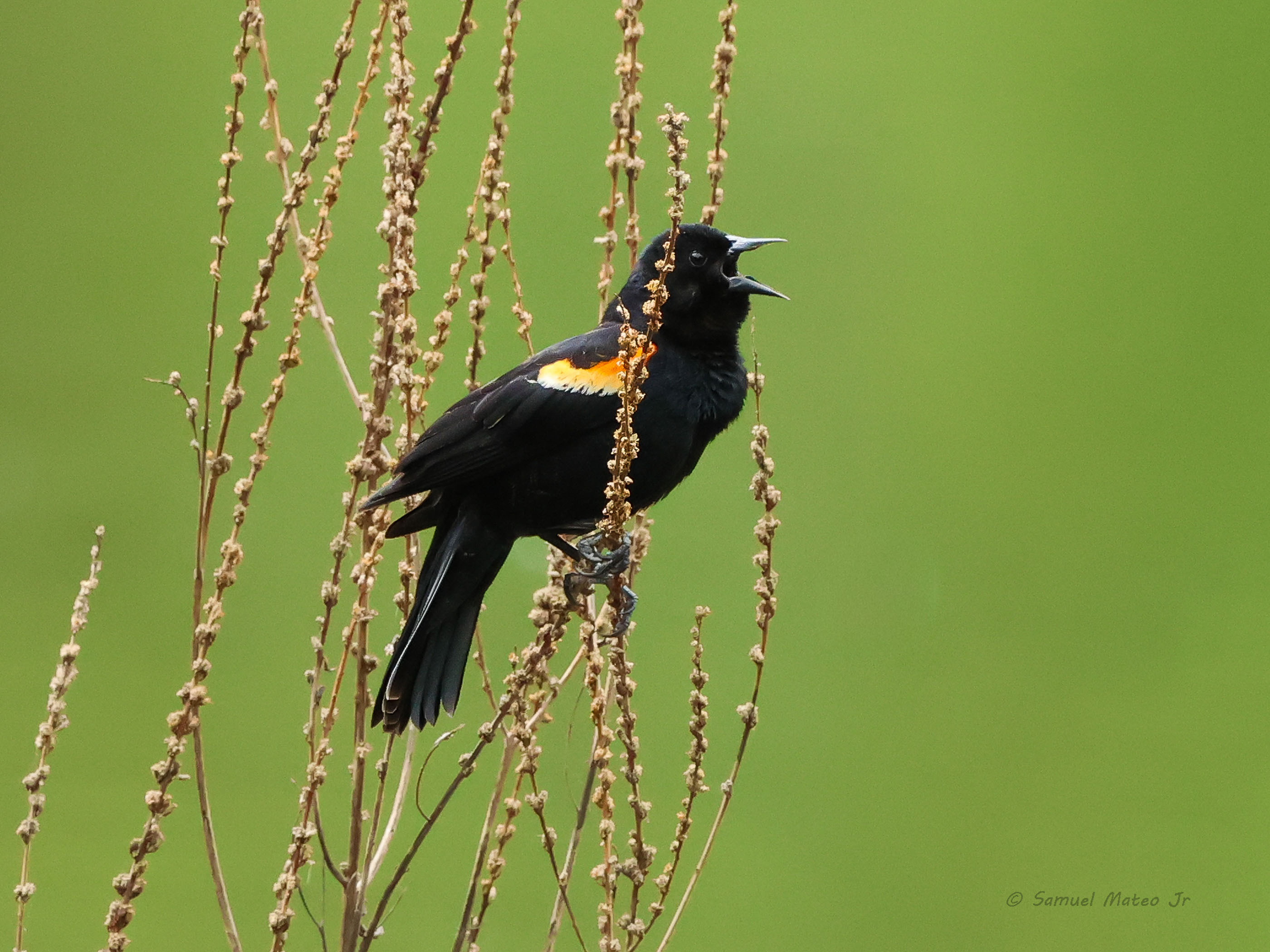
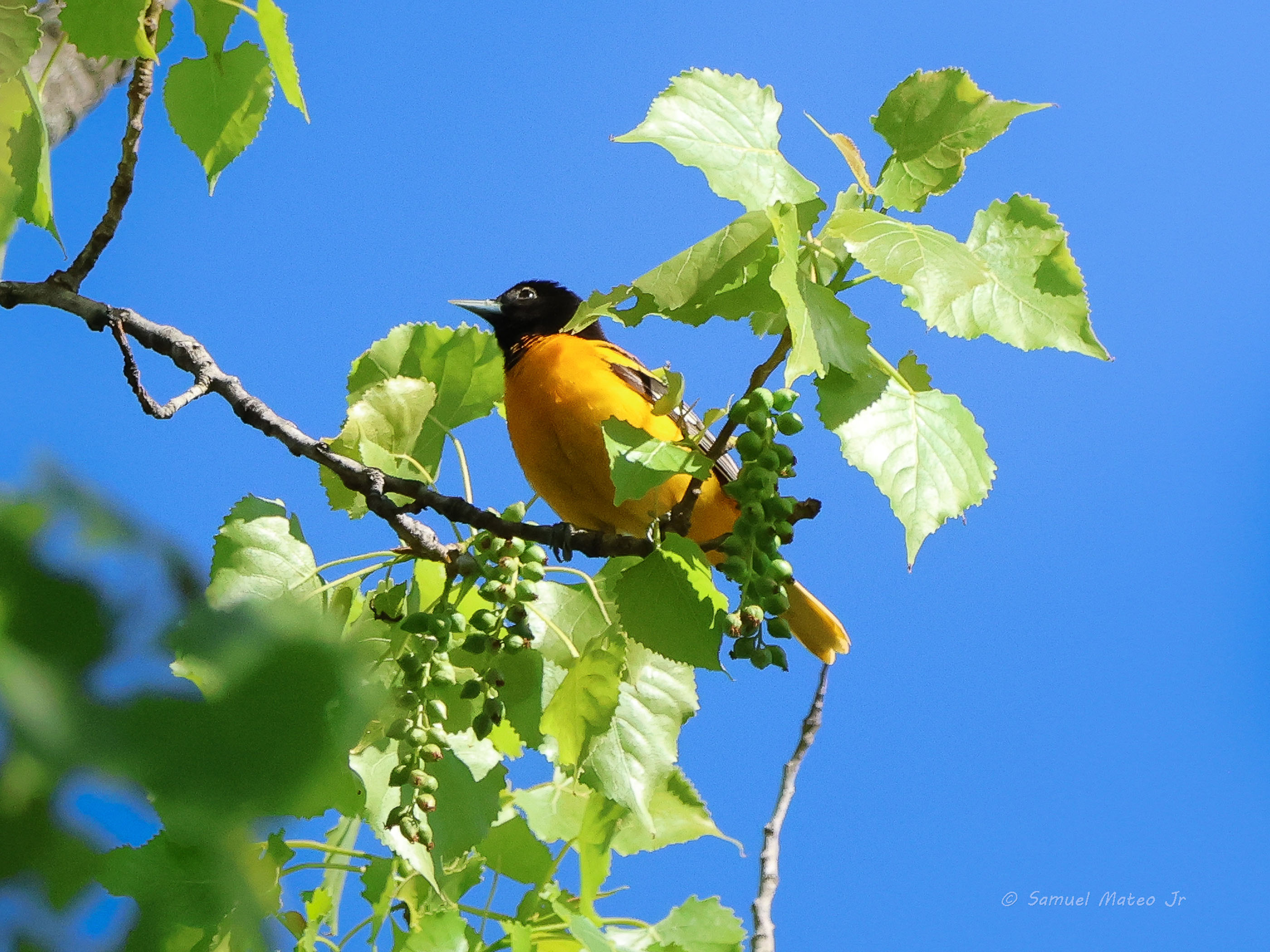
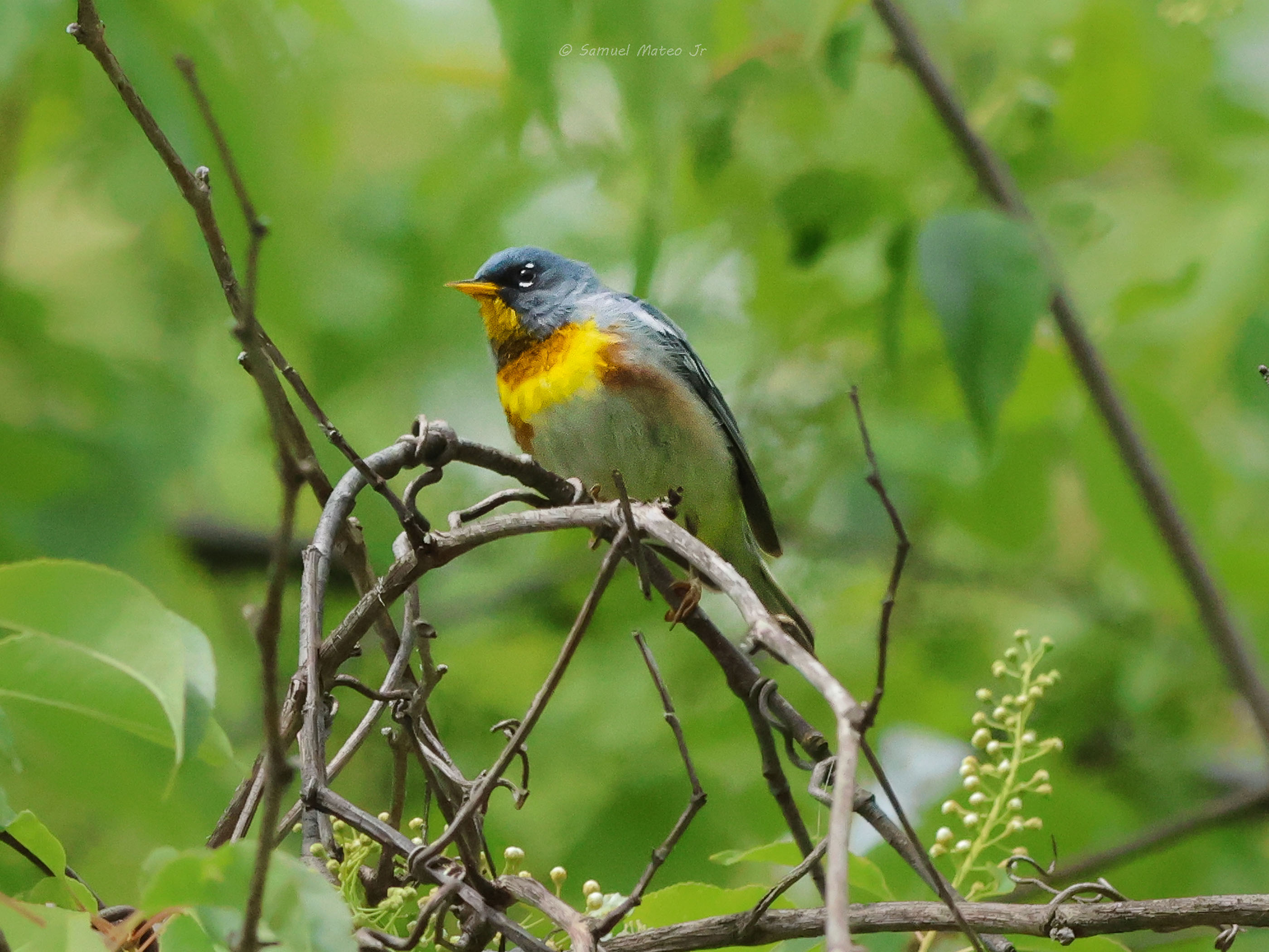
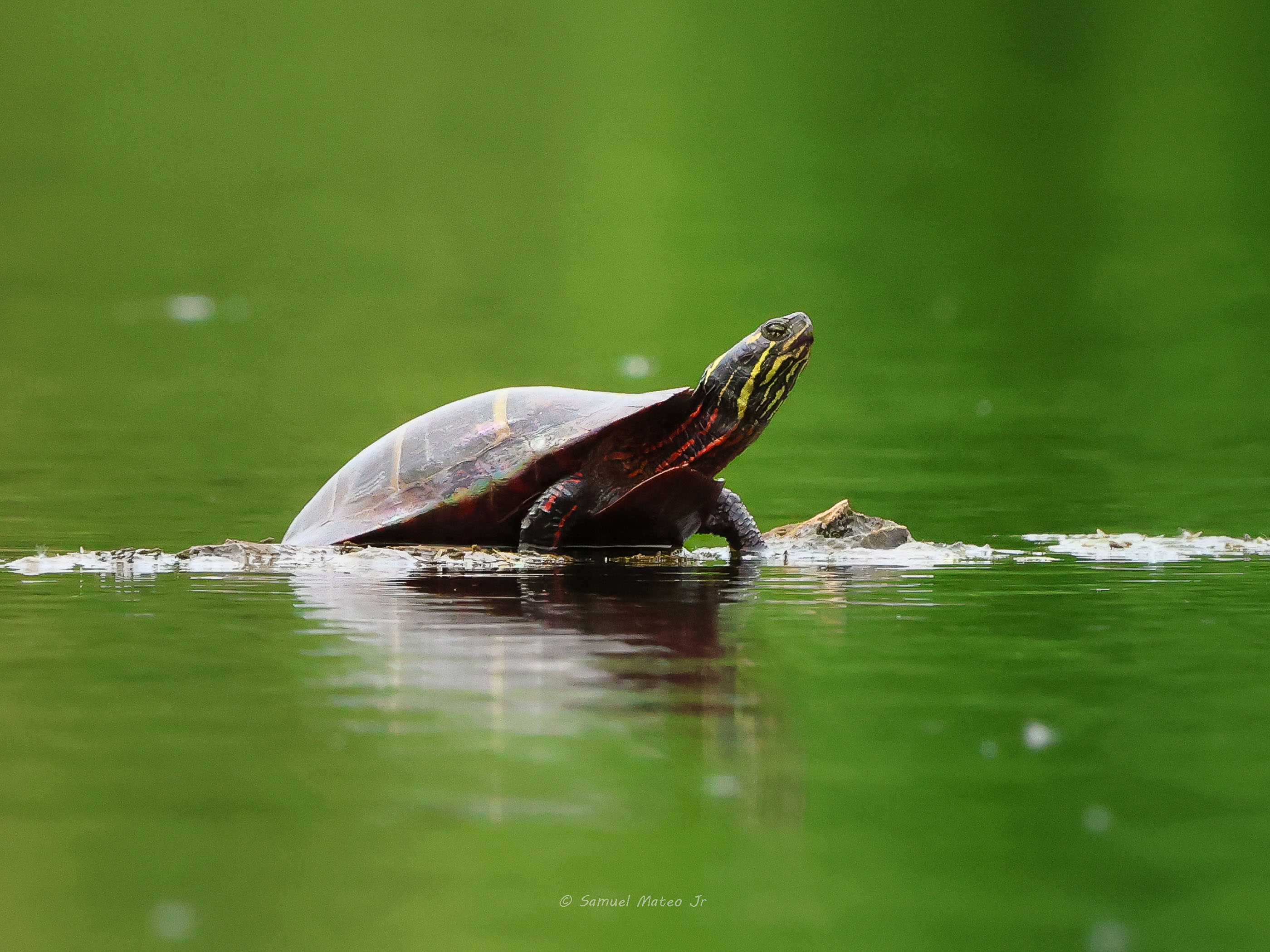
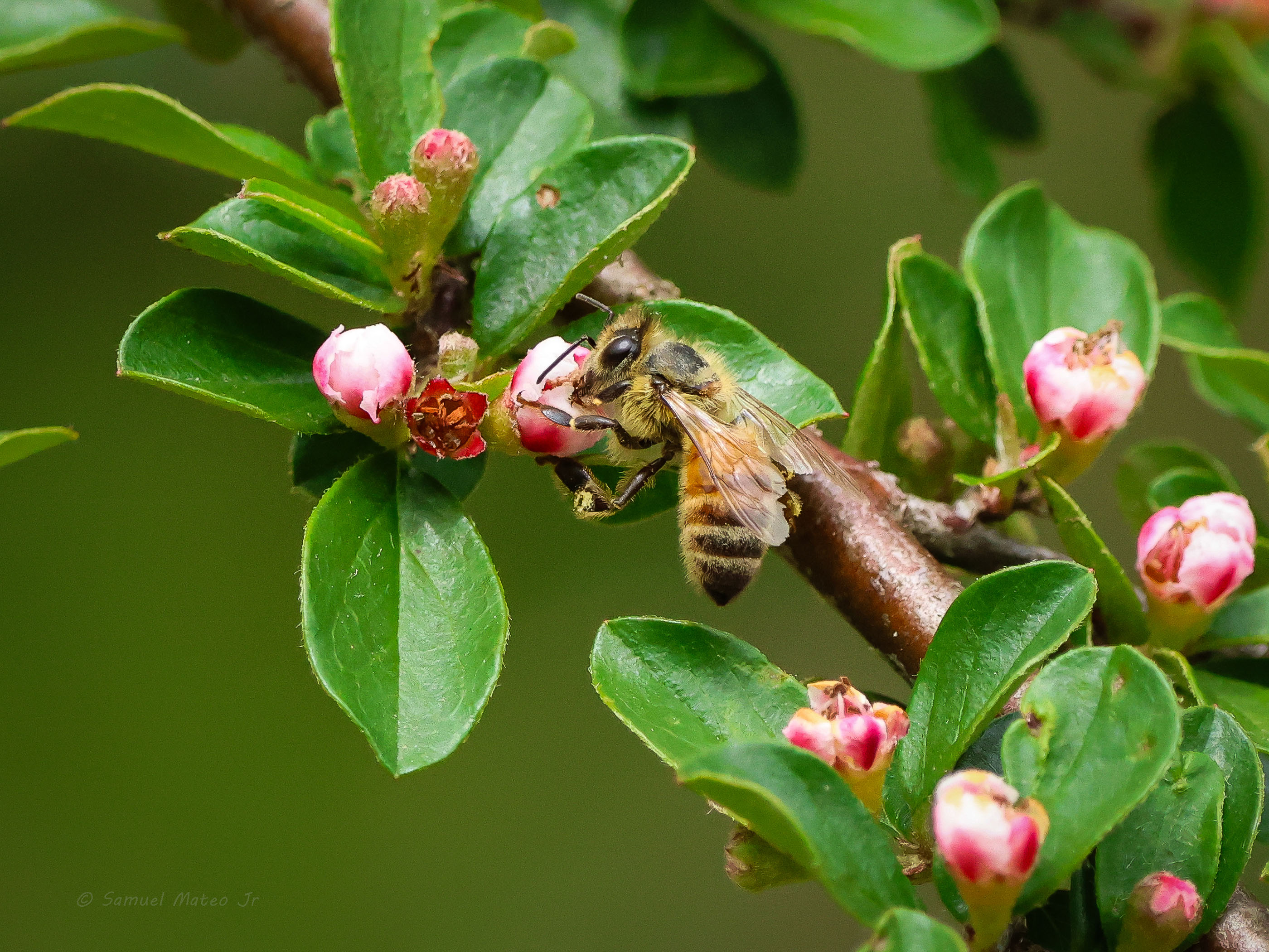
Avian visitors to our field sites have included northern parula, Baltimore oriole, and the red-winged blackbird. Around them, trees and wildflowers are beginning to blossom, painting the landscape with vibrant colors. Pollinators like bees and butterflies are also becoming increasingly active and visible as the days pass. Check out our close encounter with a western honey bee! Wetlands and wooded areas below the trees are also coming alive with amphibians such as the painted turtle and American toad, whose calls and movements signal the health of local ecosystems. Altogether, these natural changes not only transform the environment but also encourage and uplift the community to appreciate the outdoors and all it has to offer.
There are many free apps that assist in making exploring nature both fun and informative. For those interested in learning how to identify birds through sight and sound, Merlin can help turn a novice into an expert over the course of a single season. For the curious mind with an affinity for plants, the Seek app turns your camera into a tool for identifying the natural world. Apps like eBird and iNaturalist can track every animal and plant you identify along your adventure and turn it into real data that can be used for scientific research all over the world.
You can contribute to the Defining Urban Biodiversity iNaturalist projects for Kingston, Newburgh, and Poughkeepsie (view a map of the sites). Please create an iNaturalist account, join the projects, and add your observations. If you use eBird, share your eBird list with “DUB_HV”.
Interested in learning more about the Defining Urban Biodiversity project? We are always looking for community partners to help us monitor local biodiversity. On June 6, Visit the DUB Nature Lab at Green Up Newburgh or consider attending the Kingston Bioblitz in celebration of Pollinator Week on June 27th. The event will begin at Sojourner Truth State Park and continue into Kingston Land Trust’s Forest Sanctuary.
While exploring the outdoors, keep an eye out for ticks. Wear light-colored clothing, tuck pants into socks when hiking, and ALWAYS do a full-body check (especially behind the knees, ears, and along the hairline) after spending time in grassy or wooded areas. Also be mindful of poison ivy and its classic “leaves of three” pattern — each cluster has three pointed leaflets that can be shiny or dull that often grow as low plants, vines, or shrubs.
With that in mind, be safe, have fun, and we look forward to seeing you out there this spring!
Illustration — Spring azure (top left), eastern carpenter bee (top right), sweat bee (middle right), and yellow warbler (center). Credit: Samuel Mateo Jr.