
Adding trees and other plants (e.g., green spaces) into neighborhoods can help cities mediate extreme heat and flooding. Together with Scenic Hudson and community-based organizations, Shannon LaDeau is working to understand how changing green spaces in cities impact plants, animals, and people.
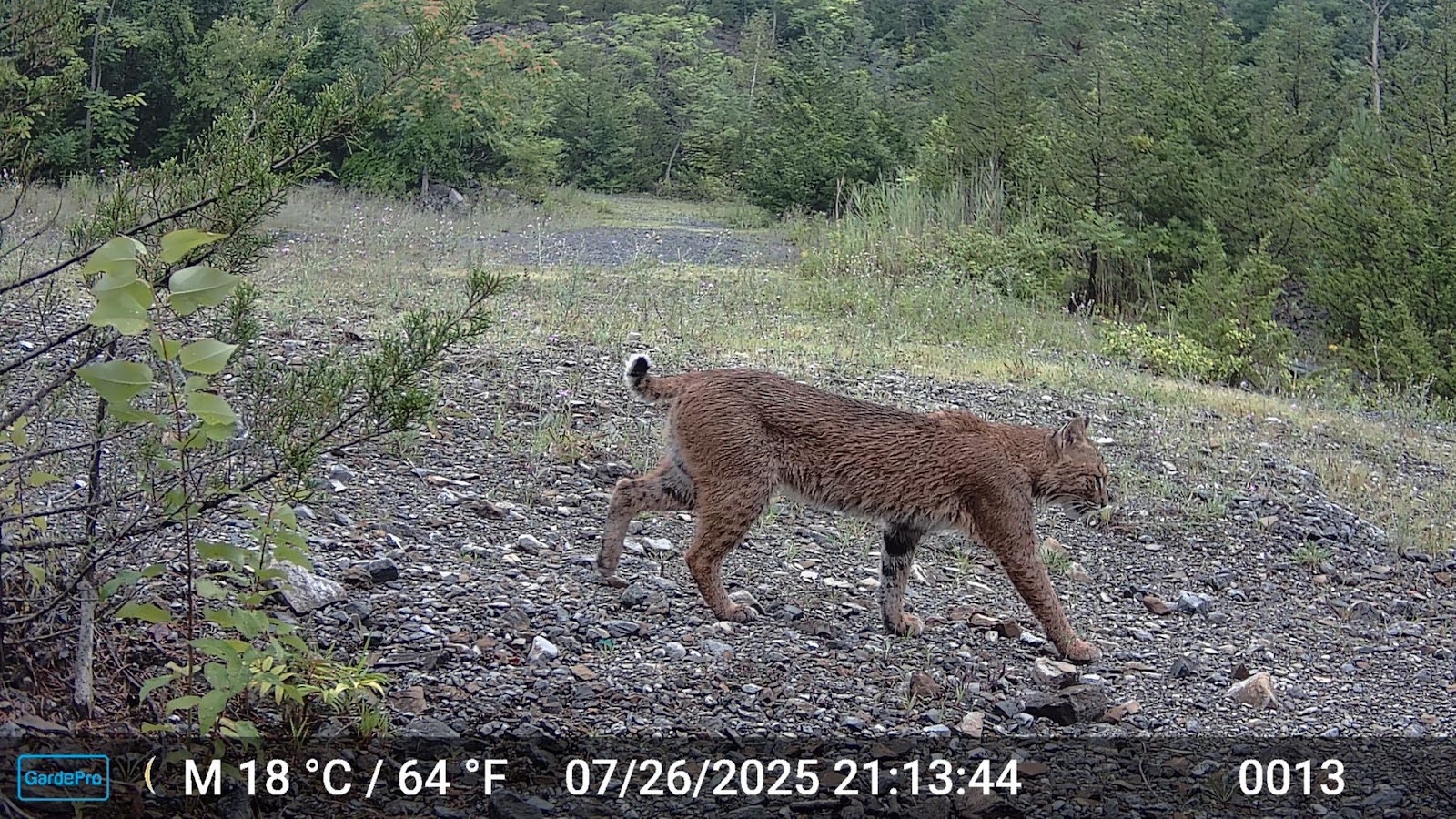
In three cities in the Hudson Valley — Kingston, Newburgh, and Poughkeepsie — the project is documenting how adding, removing, and connecting areas with tree canopy influences the types of animals in each green space, how they interact with each other and plants, and what this biodiversity might mean for people living nearby.
In June 2025, LaDeau began documenting the composition of plants and animals, including birds, pollinators, and ticks at 30 sites across the three cities. Sites vary in size and makeup, ranging from paved areas and vacant lots to parks and forest patches. The monitoring will continue through at least fall 2027.
Research Sites
Map: Scenic Hudson, Inc.
The project encourages residents to act as scientists, and the team aims to help people connect with the nature in their city and empower them to influence planning processes in their communities. Community members can help by joining one of the “Defining Urban Biodiversity” project pages on iNaturalist; Poughkeepsie, Kingston, and Newburgh each have their own page. iNaturalist is a free app that anybody can put on their phone. Participants receive prompts about which types of species to look for and in what parts of their city.
Over the coming years, the data from Defining Urban Biodiversity will inform efforts to plan, manage, and implement urban conservation programs that improve urban green spaces for all.
Creature Feature
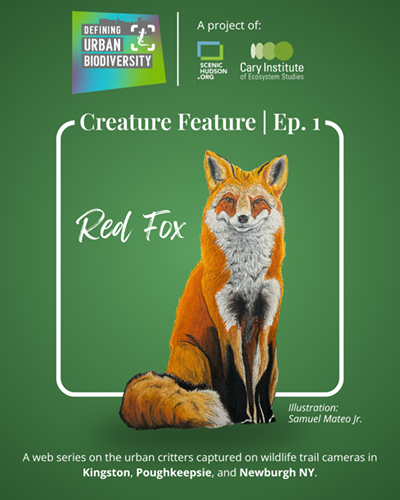
In this web series, Cary research technician Samuel Mateo Jr. shares insights into urban biodiversity observed by the team.


