
Urbanization is often seen as a threat to biodiversity. But cities and suburbs can be rich in species, and urban areas are increasingly recognized as important sites for conserving biodiversity. There is a timely need to better understand how biodiversity (including species, functional, and genetic diversity) works in and among urban landscapes. The Urban Biodiversity Futures (UBF) Research Coordination Network is building a multi-disciplinary community of researchers and stakeholders to reconceptualize how urban biodiversity is understood, and to define a research agenda that supports just, resilient urban biodiversity conservation.
The composition of plant and animal communities (biodiversity) is a critical component of ecological function. Expanding ecological ‘green’ spaces in cities can promote biodiversity, benefit human wellbeing, and enhance resilience through heat mitigation and flood control. However, the benefits of urban greening are not distributed evenly. Low-income and minority neighborhoods tend to have less access to green spaces and their benefits.
The UBF Research Coordination Network will explore what biodiversity in cities means, how it functions for different groups of people and wildlife, and what it may take to create resilient and biodiverse urban communities in a climate-changed future.
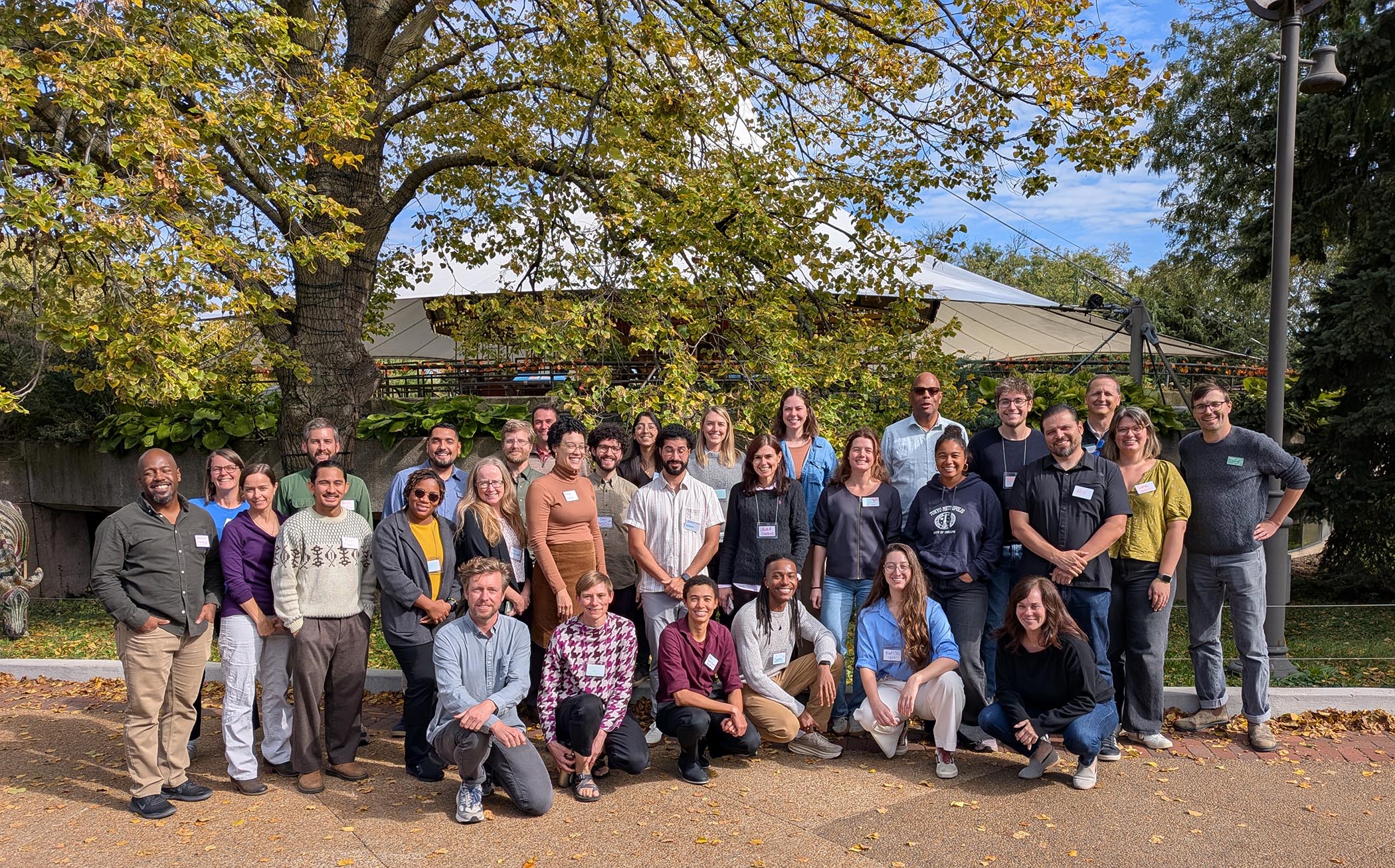
In October 2025, an inaugural UBF event brought together 32 scholars, urban planners, and practitioners to engage in critical conversations about how urban biodiversity is defined, measured, and maintained, and for whom. The workshop highlighted the urgent topic of data justice, noting that those with the power to control data also control narratives and decision making in cities. These circumstances can obscure ecological processes and perpetuate biases in how biodiversity is understood and experienced.
Future UBF conferences, workshops, and symposia will continue to advance these conversations, co-producing knowledge that better supports social justice and climate resilience in urban biodiversity policies.