
In the Himalayas, shrinking mountain glaciers are changing river flows in complex ways, causing water temperatures to rise, and reshaping the movements of sediments. Our understanding of how these changes impact stream ecosystem health and water quality is very limited. Himalayan river ecosystems are poorly understood, limiting adaptation and conservation actions.
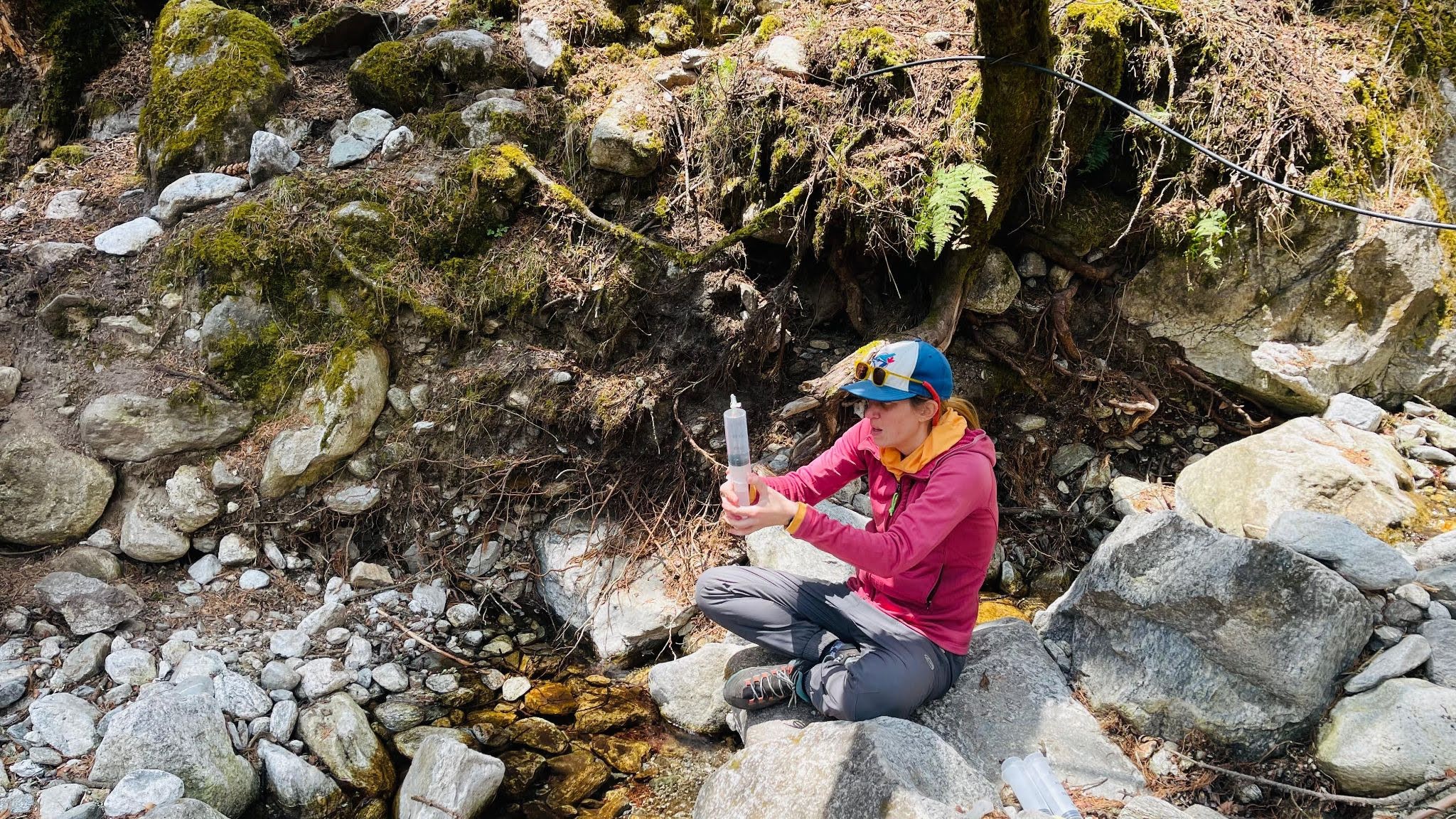
The Hi-RISE project, led by the University of Leeds, is working to understand the ecology of Himalayan glacier-fed rivers — including bacteria, fungi, algae, and invertebrates — and how biodiversity and water quality will change as glaciers continue to disappear. Taylor Maavara’s role in the project is to measure carbon and nitrogen biogeochemistry, including their greenhouse gas dynamics, in these streams. Are they taking in more carbon dioxide than they emit, or vice versa, and how old is the carbon in these rivers? Is it ancient carbon that the glaciers had locked away for millennia, effectively serving as a new source of carbon to river networks — and potentially as a greenhouse gas emission to the atmosphere — or is it carbon from fossil fuels or local tourism impacts that is being recycled more quickly? What form does carbon take in the rivers, and how much of it are ecosystems using? What shapes the release of nitrous oxide and methane (potent greenhouse gases) in these ecosystems?
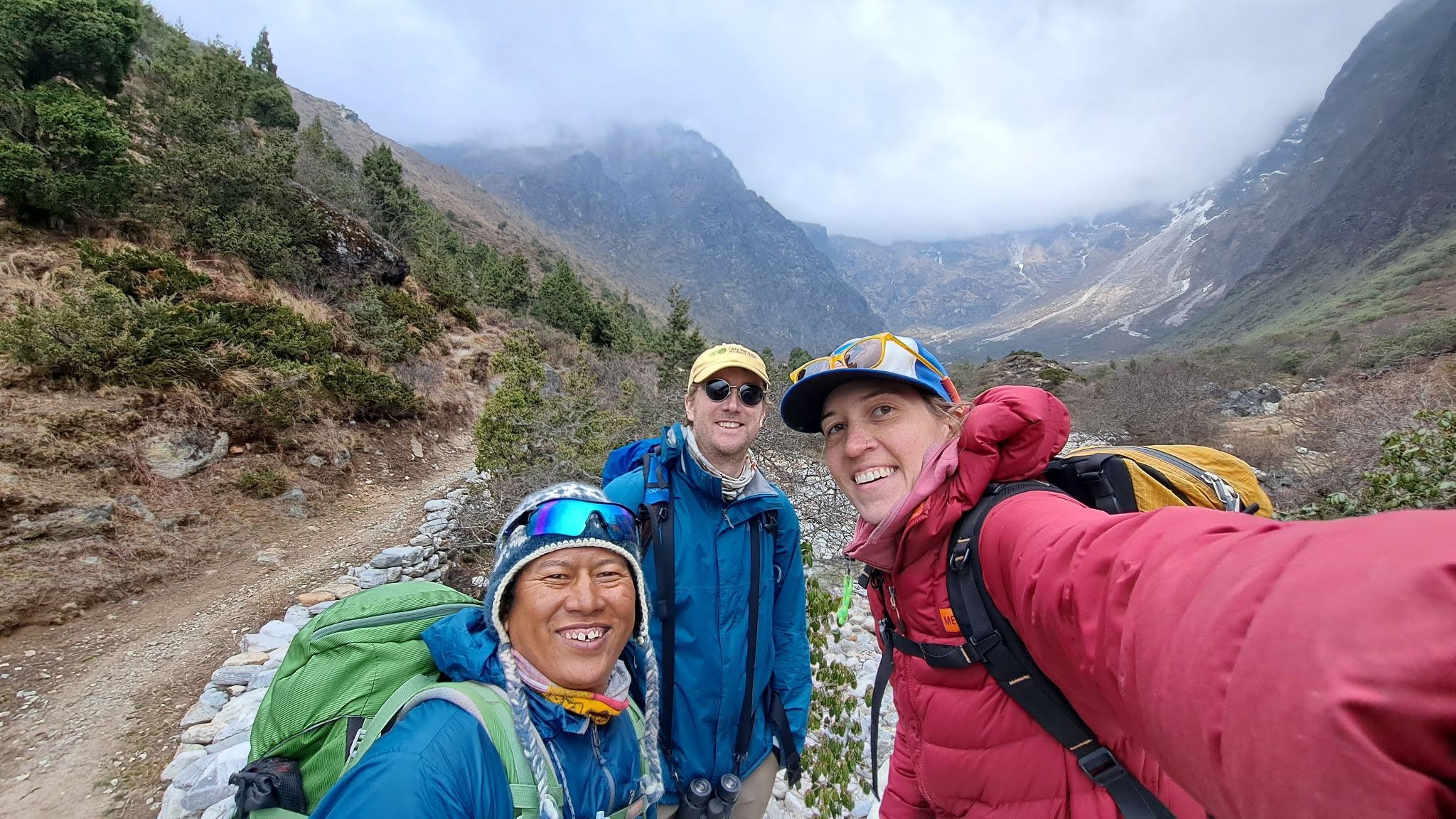
Maavara and other Hi-RISE team members have hiked hundreds of miles to collect samples at more than 40 high-altitude rivers located in Nepal’s Annapurna Conservation Area, Manaslu Conservation Area, and Sagarmatha National Park. Her research has already detected mysterious methane spikes in the streams draining Mount Everest during post-monsoon sampling. She is now exploring whether these spikes may be caused by waste from tourists or if perhaps the glaciers themselves host low-oxygen environments that synthesize methane.
Hi-RISE is generating knowledge that is urgently needed by government bodies, conservation groups, and local residents to inform conservation and management decisions that minimize damage to and emissions from these ecosystems. The findings may inform nuanced approaches to local development and water extractions, such as managing flows from dams in ways that mimic natural streamflow, and allow agencies to plan for water quality changes and develop strategies that increase Nepal’s water security.