


A unique scavenger hunt drew about 30 people to College Hill Park Friday afternoon.
But instead of hunting for hidden objects, event organizers and participants searched for wildlife in the urban park.
The event, which organizers with the Cary Institute of Ecosystem Studies and Scenic Hudson dubbed a “bioblitz,” sought to catalog city-dwelling species, which are often overlooked in ecological studies. Friday’s hunt is part of a larger, multiyear Defining Urban Biodiversity study that is taking a closer look at wildlife in Kingston, Newburgh, and Poughkeepsie by collaborating with community groups and local residents.
Researchers are studying 30 green spaces across the three cities as part of the project, according to the Cary Institute.
Scenic Hudson Urban Planner Project Manager Kayla Patel said the bioblitz backs up species information gathered by wildlife cameras in the park. It also seeks to better understand human interaction with the natural world in urban settings. For instance, the bioblitz could show which animals humans were drawn to, and which they liked or feared, she said.
The project is in its early stages. Friday’s bioblitz was the fourth held in the mid-Hudson Valley, and the Cary Institute will eventually use baseline data from the event for the broader study.
“We can only ask those more detailed questions once we have some of this initial data collected and our protocols kind of developed,” she said.
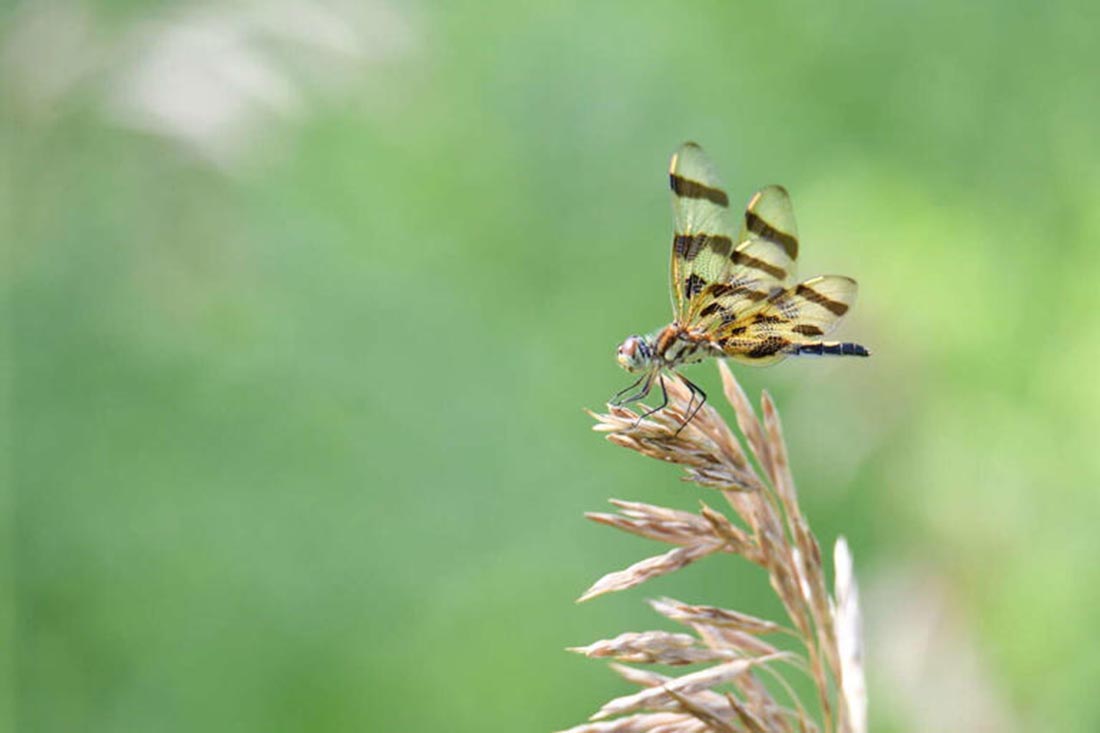
Friday’s participants ranged from high school students to older adults. After gathering at the Dudley Memorial Shelter in the park’s center and getting an overview of the blitz, the participants broke into groups to scour different areas for wildlife.
A group that included Cary Institute Urban Ecosystem Scientist Elizabeth Cook, Scenic Hudson Public Engagement Assistant Corinne Pita, and several teenagers from the Cornell Cooperative Extension of Dutchess County’s No Child Left Inside program wandered down a forested slope on the park’s edge. Their recordings included a groundhog, an eastern wood pewee, a Japanese beetle, and two bucks that stared the group down from afar.
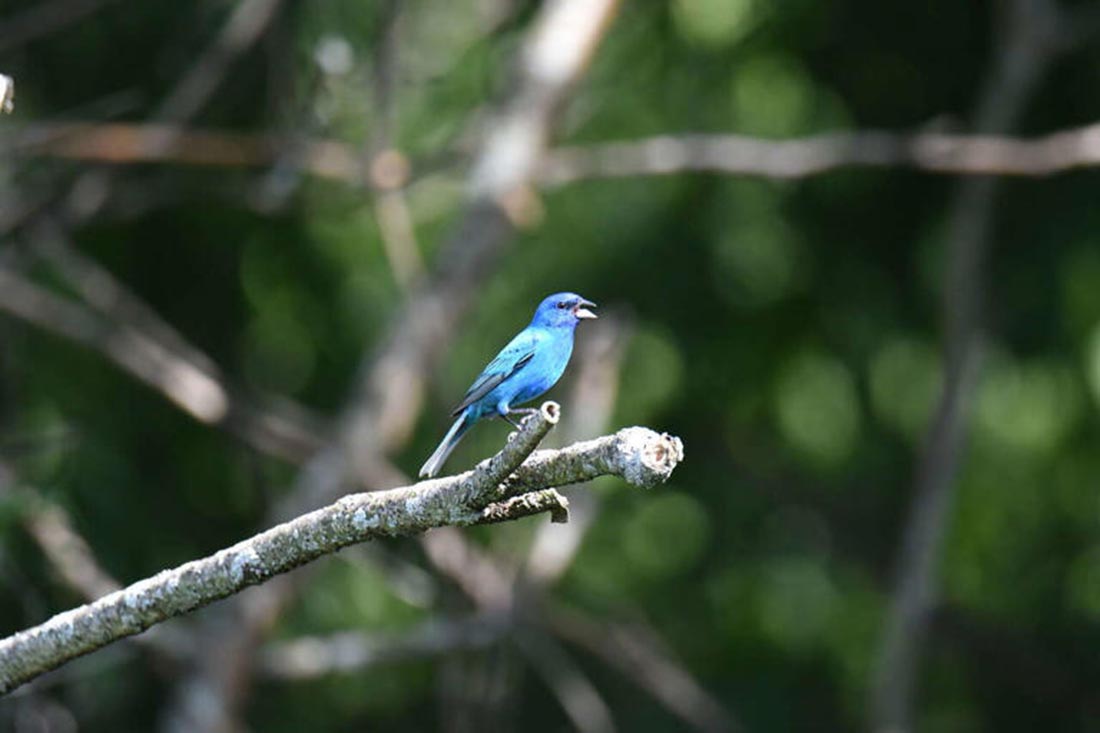
The participants either cataloged the species on the wildlife identification app iNaturalist or wrote them on pieces of paper collected at the end of the blitz.
Scenic Hudson Director of Urban Conservation Duane Martinez said urban spaces needed to be studied by ecologists because, traditionally, “cities have been ignored.”
Much is known about more remote areas of the Hudson Valley, but people and the natural world interact the most in urban areas. College Hill Park is located in a lower-income area of Poughkeepsie where many people don’t own cars, so it is here, instead of more rural areas like the Catskills, where residents find nature, he said.

Scenic Hudson has already made some “interesting” observations with their trail cameras in Poughkeepsie, Martinez noted, including a grey fox with a squirrel clamped in its jaws.
The study has also uncovered some less attractive species. Shannon LaDeau, a disease ecologist with the Cary Institute leading the Defining Urban Biodiversity study, found large numbers of the longhorned tick during the study, an invasive species identified in New York only nine years ago.
Though the final list of the species observed Friday is not yet available, the array of wildlife at the park was hinted at as participants gathered at the end of the blitz. Thirty different bird species were recorded by one group with Cornell University’s Merlin Bird ID app.
Patel plans to produce a full list later this week of the wildlife observed. Documentation processed as of Monday afternoon counted about 200 species, she said.
The 30 sites being studied include Forsyth Park and the Midtown Linear Park in Kingston; Malcolm X Park and Pershing Park in Poughkeepsie; and Crystal Lake and a lot at First Street in Newburgh. The next BioBlitz is scheduled for Saturday at Downing Park in Newburgh from 10 a.m until noon.


